The Dangers of Interstate 40
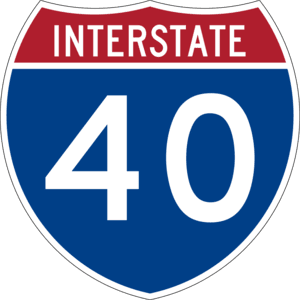
Interstate 40 is a massive stretch of highway that serves as the backbone of the southern half of the United States. It is one of the longest and most significant east-west routes in the country, stretching nearly 2,555 miles across the heart of the nation. If you are planning a cross-country trip, you will likely find yourself on this road at some point. Interstate 40 begins in the west at Barstow, California, and travels all the way to the Atlantic coast, ending in Wilmington, North Carolina.
The road passes through eight different states: California, Arizona, New Mexico, Texas, Oklahoma, Arkansas, Tennessee, and North Carolina. Along the way, it connects major hubs of culture and commerce like Albuquerque, Oklahoma City, Memphis, Nashville, and Raleigh. Because it traverses everything from the scorching Mojave Desert and the high-altitude plateaus of the Southwest to the rolling hills of the Ozarks and the dense forests of the Appalachian Mountains, Interstate 40 offers a diverse and often challenging driving experience.
Understanding the Hazards: The Dangers of Interstate 40
Driving on Interstate 40 is a necessity for millions, but it is a journey that requires your full attention. Because it is a primary route for both long-haul truckers and vacationing families, the traffic density is often extreme. When you combine high speed limits—often up to 75 miles per hour in rural areas—with a constant flow of heavy vehicles, the margin for error becomes very slim. Whether you are commuting to work or taking a road trip, you must respect the unique risks that come with this territory.
One of the most persistent dangers of Interstate 40 is the heavy volume of commercial shipping. This road is a vital link in the global supply chain, meaning you are constantly surrounded by large semi-trucks that weigh many tons more than your family car. These trucks have massive blind spots and require significant distances to stop. If you find yourself in a collision with a large vehicle, understanding why serious injury legal help is crucial is an important part of protecting your recovery. Safety on this highway is about more than just your own driving; it is about anticipating the movements of everyone else on the road.
Traffic Congestion and High-Speed Risks
In cities like Nashville or Oklahoma City, Interstate 40 can become a bottleneck of frustration. High-density traffic is a primary cause of accidents, particularly rear-end collisions that occur when drivers are distracted by their phones or car displays. When traffic suddenly slows down from 70 miles per hour to a crawl, it only takes one person not paying attention to cause a chain reaction.
To stay safe during these high-traffic periods, consider these habits:
- Always leave several car lengths of space between you and the vehicle ahead.
- Avoid making sudden lane changes that force other drivers to slam on their brakes.
- Keep your eyes scanning at least a quarter-mile ahead to spot brake lights early.
- Use your turn signals well in advance to give others time to adjust.
Staying calm and focused during heavy traffic can save your life. If an accident does happen, having a personal injury lawsuit checklist to know can help you stay organized while you navigate the aftermath. Congestion is a reality on Interstate 40, but your reaction to it is within your control.
Weather Extremes from the Desert to the Mountains
Because Interstate 40 spans the entire country, you can encounter almost every type of weather imaginable. In the west, you may face blinding dust storms in Arizona or extreme heat in the Mojave Desert that can cause tire blowouts. In the central states, “Tornado Alley” brings the risk of severe thunderstorms and high winds that can push vehicles off the road. In the east, the Appalachian passes in North Carolina often deal with heavy snow, ice, and dense fog.
Preparing for these shifts is a non-negotiable part of road safety. Here are some tips for weather management:
- Check the weather forecast for every state you will be entering before you start your drive.
- Slow down significantly if visibility drops due to rain, dust, or fog.
- Ensure your tires are properly inflated and have good tread to handle wet or icy pavement.
- If conditions become too dangerous, find a safe hotel or rest stop rather than trying to power through.
A personal injury can happen in a heartbeat when the weather turns sour. By respecting the power of nature and adjusting your speed accordingly, you give your family the best chance of arriving safely.
Fighting Driver Fatigue on the Long Haul
Interstate 40 is famous for its long, straight stretches, particularly through Texas and Oklahoma. These sections of the road can lead to “highway hypnosis,” where a driver operates their vehicle in a trance-like state without full awareness of their surroundings. Fatigue is a major contributor to accidents on this road, as drivers often try to push themselves to reach a destination that is hundreds of miles away.
To stay sharp and alert, you should:
- Schedule a break at least every two hours to stretch your legs and get fresh air.
- Use the many resources and rest areas provided by the states to take a quick nap if you feel drowsy.
- Keep the cabin of your car cool and avoid using the recirculate air setting for too long.
- Avoid driving late at night when your body naturally wants to sleep.
Sharing the Road with Commercial Trucks
The “big rigs” are a constant presence on Interstate 40. These trucks are essential for bringing goods to market, but they are also a significant hazard. Trucks have a much harder time stopping and maneuvering than passenger cars. Many of the most tragic accidents on this highway involve underride collisions, where a smaller car ends up beneath a truck trailer.
To coexist safely with these giants, follow these simple rules:
- If you cannot see the truck driver’s mirrors, they cannot see you.
- Avoid passing trucks on the right side whenever possible.
- Give trucks extra room when they are merging or turning.
- Never cut off a truck, as they need the length of a football field to stop at highway speeds.
Construction Zones and Growing Pains
As one of the busiest roads in America, Interstate 40 is almost constantly under repair. Construction zones are hotspots for accidents because they involve narrow lanes, concrete barriers, and workers close to traffic. Drivers often fail to slow down in these zones, leading to dangerous collisions.
When you see construction signs on Interstate 40:
- Turn off your radio and focus completely on the road.
- Obey the reduced speed limits strictly; they are there for the safety of the workers and yourself.
- Be patient with merging traffic and avoid aggressive maneuvers to save a few seconds.
- Watch for flaggers and temporary signage that may change the flow of traffic unexpectedly.
What to Do If an Accident Occurs
If you are involved in a collision on Interstate 40, your first priority is the safety of everyone involved. If your car is still movable, try to get to the shoulder as far away from the rushing traffic as possible. Call 911 immediately and provide your location using the mile markers along the side of the road.
While waiting for help, gather as much information as possible. Take photos of the vehicles, the road conditions, and any relevant signs. Exchange contact and insurance information with the other drivers involved. This documentation is vital for your future recovery and will be very helpful if you need to speak with a legal professional.
Frequently Asked Questions About Interstate 40
We know that traveling a road this long can lead to many questions. Here are a few common inquiries to help you stay informed and safe.
What is the most dangerous section of Interstate 40? Many drivers consider the “Pigeon River Gorge” stretch near the North Carolina and Tennessee border to be the most hazardous. This section features steep grades, sharp curves, and unpredictable mountain weather. Additionally, the flat stretches through Oklahoma and Texas are dangerous due to the high risk of driver fatigue and sudden, severe storms.
How can I avoid the worst traffic on Interstate 40? The worst congestion usually happens in major cities like Nashville, Memphis, and Albuquerque during morning and evening rush hours. To avoid the heaviest delays, try to schedule your passage through these cities during midday or late evening. Using a GPS with real-time traffic alerts can also help you find detours around major accidents.
Is it safe to drive on Interstate 40 at night? Driving at night offers less traffic, but it also means reduced visibility and a higher chance of encountering fatigued drivers. In rural areas, you also have to watch out for wildlife, such as deer, crossing the road. If you must drive at night, make sure your headlights are clean and that you are well-rested before you start.
What should I do if my car breaks down in a remote area? If your vehicle fails in a remote stretch of Interstate 40, stay with your car and call for roadside assistance. Turn on your hazard lights so other drivers can see you. If it is hot, stay in the shade of the vehicle but do not sit on the ground, and ensure you have plenty of water to stay hydrated until help arrives.
Your Path to Justice and Recovery
If your life has been impacted by an accident on the road, you do not have to carry the burden alone. Seeking the right help can ensure that you receive the medical care and support you need to get back on your feet. Speaking with a dedicated personal injury attorney can provide you with the guidance and advocacy necessary to handle insurance companies and legal claims. You can find a qualified expert through our personal injury lawyer directory to begin your journey toward recovery today. Stay safe, stay vigilant, and remember that arriving at your destination safely is the most important part of any trip on Interstate 40.