The Dangers of Interstate 81
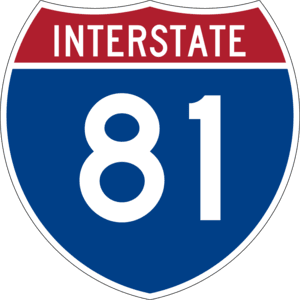
Interstate 81 is one of the most vital and heavily traveled corridors in the eastern United States. Often referred to as the “trucker’s highway,” it serves as a major alternative to the coastal Interstate 95, allowing travelers to bypass the heavy congestion of the New York to Washington, D.C. metro sprawl. This massive interstate begins in the north at the Canadian border at Wellesley Island, New York. From there, it snakes southward through some of the most beautiful yet challenging terrain in the country.
The road passes through six different states: New York, Pennsylvania, Maryland, West Virginia, Virginia, and Tennessee. Along its path, Interstate 81 crosses through major hubs such as Syracuse, Scranton, Harrisburg, Roanoke, and Knoxville. Because it follows the natural curves of the Appalachian Mountains, the scenery is breathtaking, but the geography often leads to steep inclines and sharp curves that test even the most experienced drivers. Whether you are moving goods through the Shenandoah Valley or taking a family vacation to the Great Smoky Mountains, understanding the layout of this road is key to a safe arrival.
Navigating the Risks: The Dangers of Interstate 81
While Interstate 81 is a marvel of engineering, it is frequently cited as one of the most dangerous highways in the nation. The primary reason for this reputation is the incredibly high volume of commercial truck traffic. In some sections, semi-trucks account for nearly 40% of the total vehicles on the road. This creates a high-stakes environment where small passenger cars must navigate around massive rigs that are often moving at high speeds.
Beyond the trucks, the road itself presents physical hazards. Many sections of Interstate 81 were designed decades ago and have struggled to keep up with modern traffic demands. Narrow shoulders, short merging lanes, and outdated interchanges can turn a routine drive into a stressful ordeal. If you find yourself involved in a collision on this busy route, knowing why serious injury legal help is crucial can make a world of difference in your recovery process.
The Trucking Factor: Sharing the Lane Safely
The heavy reliance on Interstate 81 for logistics means you are almost never alone on the road. Large trucks have massive blind spots, known as “no-zones,” where they cannot see your car at all. Furthermore, these vehicles can weigh up to 80,000 pounds, meaning they cannot stop quickly if traffic suddenly slows down.
To stay safe around big rigs on Interstate 81, keep these tips in mind:
- Avoid “sandwiching” your car between two trucks; always try to have an escape route to the left or right.
- When passing a truck, do so with purpose—do not hover in the lane next to their trailer.
- If you see a truck signaling to change lanes, give them the space they need rather than trying to speed past them.
- Always check your rearview mirror frequently to ensure a truck behind you isn’t following too closely.
If an accident does occur involving a commercial vehicle, the legal implications can be complex. Consulting a personal injury lawsuit checklist to know is a great way to ensure you are taking the right steps from the very beginning.
Weather and Topography Hazards
The Appalachian range creates its own micro-climates, which means weather on Interstate 81 can change in an instant. In the northern reaches of New York and Pennsylvania, lake-effect snow and ice storms are common during the winter months. In Virginia and Tennessee, heavy mountain fog often settles into the valleys, reducing visibility to just a few feet.
The topography also adds a layer of difficulty. Steep downgrades can cause brakes to overheat on large vehicles, leading to runaway situations. For passenger cars, these grades can cause unexpected speed increases or slows, requiring constant attention to your pedals.
To manage weather and terrain risks:
- Keep a safe distance from other cars during fog or rain to avoid multi-car pileups.
- Use lower gears when descending long mountain grades to preserve your brakes.
- Keep an emergency kit in your car with blankets, water, and a flashlight in case you are stranded by snow.
- Watch for “Watch for Ice on Bridge” signs, as elevated sections of Interstate 81 freeze much faster than the solid road.
When the elements lead to a crash, the situation can be overwhelming. Knowing your legal rights after injury what you can do is essential for protecting your family’s future and ensuring you aren’t held responsible for conditions beyond your control.
The Danger of Driver Fatigue
Because Interstate 81 is a long-haul route, many drivers on the road are pushed to their limits. Truck drivers have strict hours-of-service regulations, but fatigue still happens. Similarly, tourists often try to “power through” long stretches of the road to reach their destination faster. A tired driver has the same impaired reaction time as someone who has been drinking, which is a recipe for disaster on a high-speed interstate.
Combating fatigue is a personal responsibility for everyone on the road. Make sure to:
- Stop every couple of hours at a designated rest area to walk around and wake up your senses.
- Avoid driving during the body’s natural “low” periods, such as between 2:00 AM and 6:00 AM.
- Keep the interior of the car well-ventilated and avoid using the recirculated air setting for too long.
- If you feel your eyes drifting or you can’t remember the last few miles you drove, pull over immediately.
Speed and Aggressive Driving
Speed limits on Interstate 81 generally range from 65 to 70 miles per hour, but it is common to see vehicles traveling much faster. Aggressive driving—such as tailgating, weaving through traffic, and “brake checking”—is a frequent complaint among I-81 travelers. At high speeds, the force of a personal injury accident is magnified, often resulting in permanent disability or loss of life.
Staying calm is your best defense against aggressive drivers. If someone is tailgating you, simply move to the right lane and let them pass. Engaging with a “road rager” only increases the chances of a high-speed collision that could involve innocent bystanders.
Construction Zones and Bottlenecks
Due to its age and heavy use, Interstate 81 is almost constantly under construction. Work zones create narrow lanes, shifted traffic patterns, and sudden stops. These areas are particularly dangerous because drivers often fail to slow down in time for the reduced speed limits. Fines are usually doubled in these zones, but the real cost is the risk to human life—both yours and the workers on the side of the road.
When entering an I-81 construction zone:
- Turn off all distractions, including the radio or hands-free phone calls.
- Pay close attention to temporary signage and flaggers.
- Do not follow the car in front of you too closely; sudden stops are very common in work zones.
- Merge early and politely when lanes are disappearing to keep the flow of traffic moving.
What to Do After a Collision on I-81
If you are involved in an accident on Interstate 81, the first thing to do is try to get your vehicle to a safe spot away from the flow of traffic. The “move over” laws in most states require drivers to move to the shoulder or a nearby exit if the vehicle is operable. Call for emergency help immediately and provide them with your exact mile marker or the nearest exit number.
While you wait for the police, collect as much evidence as you can without putting yourself in danger. This includes photos of the cars, the road surface, and any truck logos or DOT numbers if a commercial vehicle was involved. This information is a vital part of the resources you will need to build a successful claim later on.
Frequently Asked Questions About Interstate 81
Driving a road as complex as this one often brings up many questions. We’ve gathered some of the most frequent inquiries to help you stay informed.
Is Interstate 81 safer than Interstate 95? While Interstate 81 generally has less “stop-and-go” city traffic than I-95, it has a much higher percentage of heavy trucks and more challenging mountain terrain. Neither is inherently “safer”; they simply offer different types of risks. Drivers on I-81 must be more prepared for high-speed truck interactions and mountain weather.
Why are there so many accidents on Interstate 81? The combination of high truck volume, outdated infrastructure in certain sections, and volatile mountain weather creates a “perfect storm” for accidents. Many parts of the highway were originally built for much lower traffic levels than they currently handle, leading to overcrowding and increased friction between vehicles.
Are there many places to stop on Interstate 81? Yes, Interstate 81 is well-served by state-run rest areas and private travel centers. These are crucial for long-distance travelers to manage fatigue. In the Virginia and Pennsylvania sections, you will find frequent exits with gas stations, restaurants, and hotels specifically designed to cater to highway travelers.
What should I do if a truck is tailgating me on I-81? The safest move is to maintain a steady speed and signal your intent to move to the right-hand lane as soon as it is safe to do so. Never slam on your brakes or try to “teach the driver a lesson.” Trucks need a massive amount of space to stop, and a rear-end collision with a semi is almost always devastating for the smaller car.
Your Path Forward After an Accident
If your journey on the highway has been interrupted by a crash, you may be feeling lost and overwhelmed. The road to recovery—both physically and financially—can be long, but you don’t have to walk it by yourself. Securing the help of a professional is the best way to protect your interests against insurance companies that want to minimize your claim.
A qualified personal injury attorney can review the details of your case, handle the difficult paperwork, and fight for the settlement you deserve. If you need assistance finding the right legal representation, you can browse our personal injury lawyer directory to find an expert in your area. Remember, your safety is paramount, but your right to justice is just as important. Drive safely, stay alert, and know that help is available if you ever need it.