The Dangers of US Highway 92
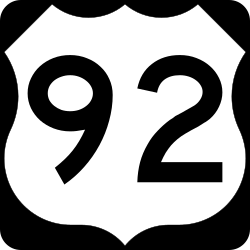
US Highway 92 is an east-west United States Highway that is located entirely within the state of Florida. Spanning approximately 181 miles, it serves as a critical link between the Gulf Coast and the Atlantic Coast, cutting through the heart of the Florida peninsula. While many interstate highways bypass smaller communities, US Highway 92 often serves as the “main street” for many of the towns it passes through, creating a complex mix of high-speed travel and local traffic.
The highway begins in the west at St. Petersburg, specifically at the intersection of 4th Street North and 5th Avenue North. From there, it crosses the Tampa Bay via the Gandy Bridge into Tampa. It continues eastward, passing through major hubs and smaller cities including Plant City, Lakeland, Auburndale, Winter Haven, Kissimmee, Orlando, and DeLand. The route finally reaches its eastern terminus in Daytona Beach, ending at the junction of State Road A1A near the Atlantic Ocean. Because it travels through diverse environments, from urban centers and industrial zones to quiet suburbs, drivers on US Highway 92 must remain adaptable to ever-changing road conditions.
Navigating the Hazards: The Dangers of US Highway 92
While US Highway 92 is a vital corridor for commuters and tourists alike, it is consistently ranked among the more dangerous roads in the state. The highway’s design often forces a collision between heavy commercial logistics and local passenger vehicles. In urban areas like Tampa and Orlando, the road is frequently congested, while in more rural stretches, high speeds and limited lighting increase the risk of severe accidents.
One of the most significant dangers of US Highway 92 is the high number of intersections and driveways. Unlike limited-access interstates, US Highway 92 is lined with businesses, shopping centers, and residential entries. This leads to frequent turning movements, sudden stops, and “T-bone” collisions. If you find yourself involved in a serious accident on this route, understanding why serious injury legal help is crucial is a vital part of protecting your recovery. Safety on this highway requires a high degree of defensive driving and an awareness of the unique hazards present in every mile.
The Intersection Risk and Distracted Driving
Because US Highway 92 serves as a major commercial artery through cities like Lakeland and Kissimmee, it is rife with traffic signals and turn-offs. Distracted driving is a primary catalyst for accidents in these zones. Drivers frequently check GPS devices or mobile phones while navigating through heavy traffic, leading to rear-end collisions when traffic light patterns change suddenly.
To stay safe at intersections on US Highway 92:
- Always scan the intersection even after your light turns green; “red-light runners” are a common hazard in Florida.
- Avoid following too closely in stop-and-go urban traffic to prevent chain-reaction bumps.
- Signal your turns early to give the heavy trucks behind you enough time to slow down safely.
- Be especially cautious of drivers making left turns across multiple lanes of oncoming traffic.
Staying alert is your best defense against the unpredictability of other drivers. If you are injured due to another person’s negligence, knowing the steps after a personal injury to get justice can help you navigate the complex process of securing compensation for your losses.
Heavy Trucking and Logistics Hazards
US Highway 92 is a preferred route for many commercial drivers moving goods between the Port of Tampa and the central distribution hubs of Florida. Large semi-trucks are a constant presence on this road. These vehicles carry immense weight and have significant blind spots, or “no-zones,” where a standard passenger car can essentially disappear from the driver’s view.
To coexist safely with trucks on US Highway 92:
- Never cut off a truck; a fully loaded semi requires a much greater distance to stop than a standard car.
- Avoid “sandwiching” yourself between two large trucks, especially in the multi-lane sections of Tampa and Orlando.
- When passing a truck, do so quickly and on the left side to ensure you are visible in the driver’s mirrors.
- Give trucks extra room when they are making wide turns at the many tight intersections found in older Florida downtowns.
Florida Weather and the Hydroplaning Threat
The geography of US Highway 92 makes it a prime target for Florida’s intense afternoon thunderstorms. These storms can drop several inches of rain in less than an hour, significantly reducing visibility and creating deep standing water on the roadway. Because the highway is heavily used, oil and tire residue accumulate on the asphalt, making the road surface incredibly slick during the first few minutes of rain.
Managing weather risks on US Highway 92 requires immediate adjustments:
- Slow down significantly the moment the rain begins to maintain traction.
- Turn on your headlights so other drivers can see you, but never use your hazard lights while the vehicle is in motion.
- If your car starts to hydroplane, stay calm, take your foot off the gas, and steer straight until you regain control.
- Watch for “washouts” or debris that may have been swept onto the road during heavy winds.
A personal injury can occur in a heartbeat when weather conditions degrade. By adjusting your driving habits to the elements, you provide a safer environment for yourself and the other families sharing the road.
Pedestrian and Cyclist Safety Concerns
In many sections, US Highway 92 acts as a local thoroughfare for people who are not in cars. In cities like DeLand or Daytona Beach, pedestrians and cyclists often have to cross or travel alongside the highway. Unfortunately, the road was not always designed with non-motorized safety in mind. Poor lighting in rural stretches and a lack of designated crosswalks in industrial areas make this a high-risk road for those on foot.
Drivers must remain vigilant for pedestrians, especially during dawn, dusk, and nighttime hours. Cyclists are often forced to share the narrow shoulders with high-speed traffic, making them extremely vulnerable to “sideswipe” incidents. Always give at least three feet of space when passing a cyclist and double-check your blind spots for pedestrians before making a turn into a business or side street.
Driver Fatigue and “Highway Hypnosis”
While the urban stretches of US Highway 92 are high-stress, the more rural sections through Central Florida can be repetitive and monotonous. This can lead to driver fatigue or “highway hypnosis,” where a driver operates their vehicle in a trance-like state. Fatigue slows reaction times and can be just as dangerous as impaired driving.
To stay fresh during your trip:
- Utilize the many resources and rest areas along the route to take a break every hour or two.
- Keep the interior of the car well-ventilated and avoid using the recirculated air setting for long periods.
- Engage with passengers or listen to an active podcast to keep your brain focused.
- If you find yourself yawning or drifting out of your lane, it is time to find a safe place to pull over and rest.
Construction and Infrastructure Challenges
As Florida continues to grow, US Highway 92 is frequently under construction. Road widening, bridge repairs—such as those on the Gandy Bridge—and intersection upgrades are common. Work zones introduce a whole new set of dangers, including narrowed lanes, shifting traffic patterns, and the presence of workers just feet away from moving traffic.
When entering a work zone on US Highway 92:
- Strictly obey the posted speed limits; fines for speeding in Florida work zones are often doubled.
- Eliminate all distractions, including mobile phones and hands-free devices.
- Be prepared for sudden stops, as construction vehicles often enter and exit the flow of traffic unexpectedly.
- Stay patient; aggressive driving in a work zone rarely saves time and significantly increases the risk of a fatal accident.
What to Do After a Collision on US Highway 92
If you are involved in an accident, your immediate actions can impact both your safety and any future legal claims. If your vehicle is movable, try to get it to the right shoulder or a nearby parking lot. US Highway 92 is far too busy to remain in the travel lanes. Call 911 immediately and provide your location using the nearest cross-street or mile marker.
Document the scene as thoroughly as possible. Use your smartphone to take photos of all vehicles involved, the road conditions, and any relevant traffic signs. Exchange information with the other driver but avoid discussing the details of the crash or admitting fault. This evidence will be critical for your insurance claim and for your legal team. Having a personal injury lawsuit checklist to know exactly what data to collect can help you stay organized during the chaos of the aftermath.
Frequently Asked Questions About US Highway 92
Navigating a road as complex as this one leads to many common questions from travelers.
Is US Highway 92 safer than Interstate 4? While US Highway 92 has lower speed limits, it has significantly more “friction” in the form of intersections, driveways, and pedestrians. While I-4 is known for high-speed pileups, US 92 is known for frequent intersection collisions and accidents involving local traffic.
What is the “Gandy Bridge” and is it dangerous? The Gandy Bridge connects St. Petersburg and Tampa across the Tampa Bay. It is a vital link, but it can be dangerous during high winds or heavy rain. Drivers should stay in the center lanes during storms to avoid the spray from the bay and be wary of sudden traffic backups at the bridge entrances.
How can I avoid traffic on US Highway 92? The worst congestion occurs during morning and afternoon rush hours in Tampa, Lakeland, and Orlando. To save time, try to travel mid-day or early in the morning. Real-time navigation apps are incredibly helpful for identifying accidents or construction delays before you reach them.
What should I do if my car breaks down? Try to coast as far off the road as possible. Stay in your vehicle with your seatbelt on and call for roadside assistance. Walking along US Highway 92 is extremely dangerous due to the high volume of traffic and the lack of consistent sidewalks in many areas.
Finding Justice and Support After an Accident
The aftermath of a highway accident is often a period of immense physical and emotional stress. Between managing medical treatments and navigating the insurance process, families can feel overwhelmed. However, you don’t have to face the legal path alone. Professional advocacy is the best way to ensure that your rights are protected and that you receive the compensation necessary to move forward.
A dedicated personal injury attorney can help you investigate the crash, manage the difficult paperwork, and fight for a settlement that covers your true losses. If you need assistance finding the right legal team, you can browse our personal injury lawyer directory to find an expert in your area. Stay safe, drive defensively, and always remember that arriving at your destination safely is the most important part of any journey on US Highway 92.