 By Crash News Writer
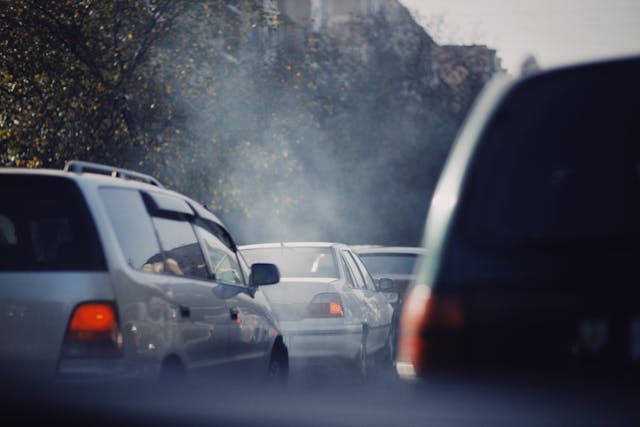
Waipio, HI (November 9, 2026) – A 22-year-old driver was critically injured early Sunday morning, November 8, after his vehicle struck a concrete median, lost a tire, and went airborne along the H-2 Freeway in the Waipio area of Oahu. According to the Honolulu Police Department (HPD), the single-vehicle collision occurred at approximately 5:55 a.m. while the driver was traveling northbound.
Police reported that the vehicle initially struck the concrete median, causing it to lose its rear driver’s-side tire. Following the impact, the car left the roadway and struck a grassy median before becoming airborne.
The vehicle eventually came to rest within the median, according to HPD. Authorities have not released information about the distance the vehicle traveled after leaving the roadway or the extent of the damage it sustained.
Emergency personnel responded to the accident and transported the 22-year-old driver to a nearby hospital. Officials reported that he was in critical condition following the collision.
Police confirmed that the driver was wearing a seat belt at the time of the crash. However, authorities have not disclosed the specific injuries he sustained or whether his medical condition has changed since the initial report.
The available information does not identify the vehicle’s make or model. Investigators also have not released details about the driver’s speed or the circumstances that caused the car to strike the concrete median.
No additional vehicles or injured individuals were identified in the initial report. The collision was described as involving a single vehicle traveling northbound along the H-2 Freeway.
The accident occurred during the early morning hours, when visibility and roadway conditions may differ from those experienced during daylight. However, investigators have not identified darkness, weather, or reduced visibility as contributing factors.
Authorities have not indicated whether impairment, distracted driving, fatigue, or mechanical problems played a role in the collision.
The Honolulu Police Department continues investigating the circumstances surrounding the crash.
Another Serious Collision Reported in Halawa
Earlier Sunday morning, emergency personnel also responded to a serious suspected hit-and-run involving a pedestrian in the Halawa area of Oahu.
That incident was reported at approximately 5:25 a.m., about 30 minutes before the Waipio freeway accident.
Emergency Medical Services reported that a woman believed to be in her 40s appeared to have been struck by a vehicle on Puumakani Street.
According to police, an unidentified driver was traveling northbound on Halawa Heights Road when the vehicle struck a pedestrian who was lying in the middle of the roadway.
The available report did not identify the driver or provide additional information about the vehicle involved. It also did not explain why the pedestrian was lying in the roadway before the collision.
The incident was described as a critical hit-and-run, but the supplied information did not include a confirmed medical condition, hospital destination, or subsequent update concerning the pedestrian.
Authorities have not established any connection between the Halawa collision and the later H-2 Freeway accident in Waipio.
Both incidents involved serious reported injuries and occurred during the early morning hours on Oahu. However, they remain separate investigations involving different locations and circumstances.
Understanding Your Rights After a Serious Car Accident in Waipio
Highway accidents can result in severe injuries when a vehicle strikes a median, leaves the roadway, or overturns. The forces involved may be substantial, especially when a vehicle becomes airborne before returning to the ground.
A single-vehicle accident may raise questions about driver conduct, vehicle condition, and roadway safety. Investigators may need to examine several possible contributing factors before determining why a driver lost control.
Under Hawaii law, injured motorists may qualify for certain insurance benefits regardless of who caused a collision. Additional compensation may be available when another party’s negligence contributes to the injuries and applicable legal requirements are satisfied.
Anyone searching for a car accident near me or a car accident near Waipio should understand that Hawaii has specific rules concerning personal injury protection coverage, negligence claims, and filing deadlines.
An official car accident report may provide important information about the accident location, vehicle movements, and investigating officers’ observations. However, a preliminary report may not contain enough information to determine legal responsibility.
Why Are Median Collisions Particularly Dangerous?
Highway medians are designed to separate opposing traffic or provide space between travel lanes. Depending on the roadway, medians may include concrete barriers, grassy areas, or other structures.
When a vehicle strikes a concrete median, the impact can damage tires, wheels, suspension components, and other parts of the vehicle.
A damaged wheel or tire may affect the driver’s ability to maintain control, particularly when the vehicle is moving at highway speeds.
If the vehicle subsequently leaves the roadway, uneven ground or changes in elevation may create additional hazards.
In some accidents, a vehicle may become airborne after striking a raised surface or traveling across uneven terrain.
The resulting impact can cause serious injuries even when occupants are wearing seat belts.
In the November 8 Waipio accident, police reported that the vehicle struck a concrete median and lost its rear driver’s-side tire.
The car then left the roadway, struck a grassy median, and became airborne before coming to rest.
Authorities have not released information about the vehicle’s speed or explained why it initially struck the concrete median.
Those details may become important as investigators determine the circumstances surrounding the collision.
Can a Driver Suffer Critical Injuries While Wearing a Seat Belt?
Seat belts are an important vehicle safety feature that can reduce the risk of serious injuries during collisions.
However, wearing a seat belt does not eliminate every danger associated with a high-impact crash.
When a vehicle strikes a fixed object, becomes airborne, or experiences multiple impacts, occupants may be exposed to substantial forces.
Serious injuries can occur even when seat belts and other safety systems function as intended.
Potential injuries from severe highway collisions include head injuries, spinal injuries, broken bones, internal injuries, and traumatic injuries to the chest or abdomen.
The severity of an injury depends on several factors, including vehicle speed, the direction of impact, occupant position, and the forces involved.
In the Waipio collision, Honolulu police confirmed that the 22-year-old driver was wearing a seat belt.
Despite that precaution, he sustained injuries serious enough to require hospitalization in critical condition.
Authorities have not disclosed the nature of those injuries or provided an updated medical assessment.
What Factors Can Contribute to Single-Vehicle Highway Accidents?
Single-vehicle accidents can occur for several reasons, including sudden steering movements, reduced traction, mechanical problems, and unexpected roadway conditions.
Driver fatigue, distraction, impairment, and excessive speed may also contribute to certain highway collisions.
However, the fact that a vehicle strikes a median does not automatically establish that the driver was negligent.
Investigators may need to examine the roadway, vehicle condition, and available physical evidence before determining what happened.
Tire damage can be particularly relevant when a collision involves a vehicle losing a wheel or tire.
However, investigators must distinguish between damage that occurred before an accident and damage caused by the impact itself.
In the November 8 collision, police reported that the vehicle lost its rear driver’s-side tire after striking the concrete median.
That sequence does not establish that a tire defect or mechanical failure caused the initial impact.
Authorities have not identified a contributing factor, and the investigation remains ongoing.
How Does Hawaii’s No-Fault Insurance System Work?
Hawaii operates under a no-fault automobile insurance system that generally requires personal injury protection coverage, commonly called PIP.
Under Hawaii Revised Statutes Chapter 431:10C, PIP coverage provides qualifying benefits for certain accident-related expenses regardless of who caused the collision.
Hawaii generally requires a minimum of $10,000 in PIP benefits per person for covered injuries.
These benefits may help pay qualifying medical and rehabilitation expenses, subject to applicable policy terms and statutory requirements.
However, PIP coverage does not necessarily pay every expense associated with a serious accident.
Individuals who sustain significant injuries may face medical bills, rehabilitation costs, and other losses exceeding the available coverage.
Hawaii law also places restrictions on certain lawsuits seeking noneconomic damages following motor vehicle accidents.
Under HRS § 431:10C-306, an injured person may pursue certain tort claims when statutory requirements are satisfied, including qualifying injury thresholds or other specified circumstances.
In the Waipio accident, authorities have not identified another potentially responsible party.
The driver’s insurance coverage and eligibility for particular benefits would depend on the applicable policy and the circumstances of the collision.
Can Someone Pursue Compensation After a Single-Vehicle Accident?
A person injured in a single-vehicle accident may have legal options when another party’s negligence or a defective product contributed to the collision.
For example, evidence of a dangerous roadway condition or defective vehicle component may become relevant in certain cases.
However, a single-vehicle crash does not automatically establish that a public agency, manufacturer, or another party acted negligently.
A successful negligence claim generally requires evidence establishing a legal duty, a breach of that duty, causation, and resulting damages.
When a vehicle defect is suspected, investigators may examine the affected components and determine whether a manufacturing or design problem contributed to the accident.
Claims involving public roadways may also be subject to special requirements under Hawaii law.
In the November 8 Waipio collision, the available report does not identify a roadway defect or mechanical failure.
Investigators have not established why the vehicle struck the concrete median.
Without additional findings, it would be premature to conclude that another person or entity was legally responsible.
How Does Hawaii’s Comparative Negligence Law Affect Accident Claims?
Hawaii generally follows a modified comparative negligence system under Hawaii Revised Statutes § 663-31.
Under this system, an injured person’s recovery may be reduced according to their percentage of responsibility for an accident.
A claimant whose negligence is greater than the combined negligence attributed to the parties against whom recovery is sought is generally barred from recovering damages.
When recovery is permitted, damages may be reduced according to the claimant’s percentage of fault.
These rules can become important when evidence shows that more than one party contributed to a collision.
However, negligence must be established through evidence rather than assumptions.
Anyone researching a car accident near me or a car accident near Waipio should understand that the presence of a single vehicle does not automatically determine legal responsibility.
In the November 8 collision, investigators have not released findings explaining why the driver struck the median.
Therefore, the available information does not support a determination of comparative fault.
What Should Injured Drivers Do After Receiving Emergency Medical Care?
After receiving emergency medical treatment, injured motorists may need to organize records and address insurance-related requirements.
Medical documentation can help establish the injuries sustained, the treatment provided, and whether additional care may be necessary.
Hospital records, prescription receipts, rehabilitation expenses, and documentation of missed work may become important when evaluating available benefits.
Photographs of vehicle damage and the accident scene may also help preserve information about the collision.
When available, witness contact information and insurance correspondence should be retained.
Obtaining an official car accident report may help identify the investigating agency and provide information about the location and circumstances of the crash.
For the November 8 Waipio accident, the Honolulu Police Department is investigating the collision.
The initial report identifies northbound H-2 Freeway as the location and states that the vehicle struck a concrete median before leaving the roadway.
Additional investigative findings may help clarify the circumstances surrounding the crash.
How Long Do Injured People Have to File a Claim in Hawaii?
Hawaii generally provides two years to file personal injury lawsuits under Hawaii Revised Statutes § 657-7.
However, different deadlines or requirements may apply depending on the type of claim and the parties involved.
Claims involving government entities may require compliance with additional statutory procedures.
Insurance policies may also establish separate notification requirements that should not be confused with the deadline for filing a lawsuit.
Injured individuals should understand that the applicable deadlines depend on the circumstances and the legal basis for the claim.
In the Waipio collision, the driver was hospitalized in critical condition, but investigators have not established that another party caused the accident.
Those findings may affect whether a negligence claim is available beyond applicable insurance benefits.
What Do the Two Sunday Morning Accidents Reveal?
The Waipio freeway collision and the Halawa pedestrian hit-and-run occurred approximately 30 minutes apart on Sunday morning.
Both incidents involved reports of serious injuries, but they occurred at different locations and involved different circumstances.
The Waipio accident involved a single vehicle striking a concrete median before leaving the H-2 Freeway.
The Halawa incident involved an unidentified driver striking a pedestrian who was reportedly lying in the roadway.
The available information does not establish that the incidents were connected or shared a common cause.
Investigators may examine different types of evidence in each case, including roadway conditions, vehicle movements, and witness statements.
The Honolulu Police Department continues investigating the Waipio collision, while the supplied information does not provide a final investigative outcome for the Halawa hit-and-run.
PLEASE TAKE NOTICE
This article reflects information attributed to the Honolulu Police Department and emergency medical personnel concerning two serious accidents reported on Oahu on Sunday, November 8, 2026. The available reports contain limited details, and additional information may become available as investigations continue.
- Driver critically injured: A 22-year-old motorist was hospitalized in critical condition following a single-vehicle collision on the H-2 Freeway. Police confirmed that he was wearing a seat belt at the time of the accident.
- Waipio crash location: The collision occurred at approximately 5:55 a.m. along northbound H-2 Freeway in the Waipio area. The vehicle struck a concrete median before leaving the roadway.
- Vehicle became airborne: Police reported that the car lost its rear driver’s-side tire, struck a grassy median, and became airborne. The vehicle eventually came to rest within the median.
- Separate Halawa hit-and-run: Emergency personnel responded around 5:25 a.m. to a serious suspected pedestrian hit-and-run near Puumakani Street. Police reported that an unidentified driver traveling north on Halawa Heights Road struck a pedestrian lying in the roadway.
- Causes not established: Authorities have not released findings identifying the cause of the Waipio collision or the full circumstances surrounding the Halawa incident. Readers can review our frequently asked questions in Hawaii for additional information about accident-related claims.
- Investigations ongoing: The Honolulu Police Department continues investigating the Waipio freeway accident, and the supplied information does not identify the driver involved in the Halawa incident. Injured individuals and their families can explore accident resources in Hawaii for additional information.
This article is intended for informational purposes only and does not constitute legal or medical advice. Information reflects the available reports and may change as authorities release additional findings. Neither incident establishes negligence or legal responsibility by a particular party based solely on the information provided. Please review our disclaimer for further details.
Serious highway accidents can leave injured individuals and their families facing medical expenses, lost income, and uncertainty about recovery. Hawaii law establishes specific requirements for personal injury protection benefits, negligence claims, comparative fault, and filing deadlines. A Hawaii personal injury lawyer can review the available evidence, explain applicable insurance requirements, and discuss whether an injured person may have grounds to pursue compensation following a serious motor vehicle accident.