 By Crash News Writer
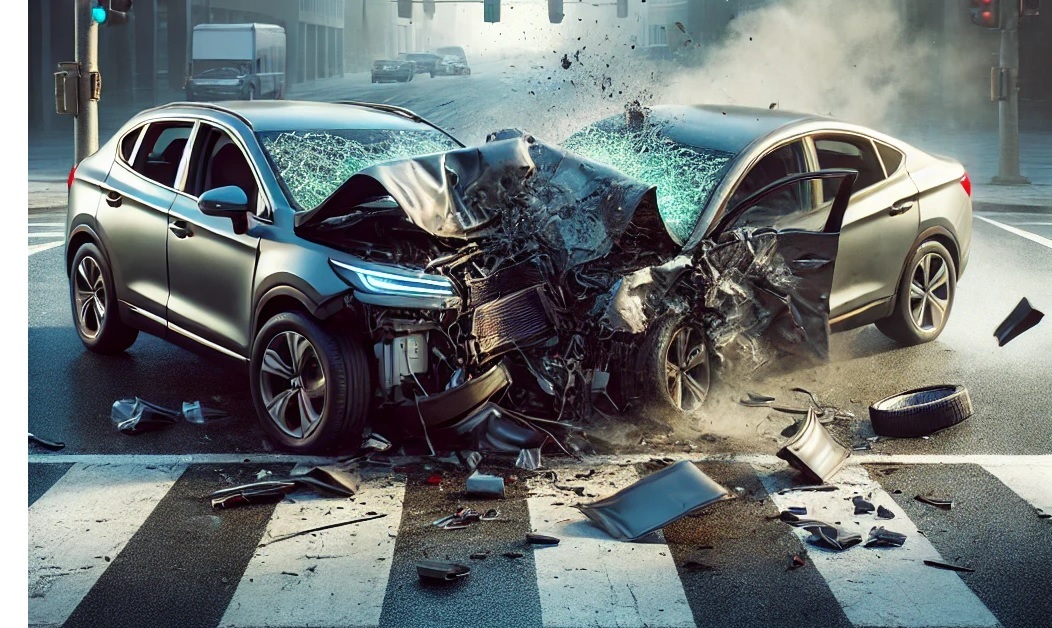
Wilmington, MA (November 9, 2026) – Five people were injured Sunday morning, November 8, following a five-vehicle collision on northbound Interstate 93 near Concord Street in Wilmington. According to Massachusetts State Police, emergency personnel responded to the crash around 6 a.m. near Exit 33. All five injured individuals were transported to hospitals, and traffic was diverted from the interstate while crews worked at the scene.
State troopers arrived along I-93 north after receiving reports of a multi-vehicle collision involving injuries. Authorities confirmed that five vehicles were involved and that five people required hospital treatment. However, the initial report did not identify the injured individuals or explain which vehicles they occupied.
Police have not released information about the severity of the injuries or the medical conditions of those transported to hospitals. Officials also have not identified the hospitals where the injured individuals received treatment. The report did not indicate whether additional vehicle occupants were evaluated at the scene or whether anyone declined medical transportation.
The collision occurred near Concord Street at Exit 33, a section of Interstate 93 used by commuters and other motorists traveling through Wilmington. Emergency crews responded during the early morning hours and worked to address the crash while managing traffic around the affected area. Authorities have not provided a detailed description of the vehicle damage or the positions of the five vehicles following the collision.
Traffic was diverted off northbound I-93 at Concord Street while emergency personnel responded. The diversion affected motorists traveling through the area during the Sunday morning response. The initial report did not establish how long the traffic restrictions remained in place or provide an exact reopening time.
Investigators have not explained how the five vehicles collided or identified the event that started the accident. Authorities have not indicated whether the crash involved a chain-reaction rear-end collision, unsafe lane change, or another sequence of events. No information was released concerning speeding, distracted driving, impairment, or other potential contributing factors.
Massachusetts State Police have not announced whether citations were issued or whether any driver was considered responsible for the collision. The investigation may help establish the movements of the vehicles and the circumstances leading to the accident. Additional information may become available as authorities complete their review.
Understanding Your Rights After a Multi-Vehicle Accident in Wilmington
Multi-vehicle accidents can result in serious injuries because several vehicles may become involved in a collision within a short period. A driver or passenger may experience more than one impact, particularly when an initial collision causes additional vehicles to strike those already involved. These circumstances can make determining responsibility more difficult than in an accident involving only two vehicles.
Highway collisions may also involve questions about following distance, lane changes, vehicle speed, and the actions of several motorists. Investigators may need to determine whether one driver’s negligence started the collision or whether multiple drivers contributed to the resulting impacts. The sequence of events can affect which parties may be legally responsible for injuries and other losses.
Massachusetts law allows injured individuals to pursue compensation when another person’s negligence causes legally recognized damages. However, the involvement of five vehicles does not automatically establish that every driver contributed to the collision. Anyone searching for a car accident near me or a car accident near Wilmington should understand that multi-vehicle claims often depend on detailed evidence concerning each driver’s actions.
Why Are Multi-Vehicle Highway Accidents Dangerous?
Multi-vehicle highway collisions can expose occupants to several impacts occurring close together. A vehicle may be struck from behind and pushed into another vehicle, or an initial collision may create an obstacle for approaching motorists. The resulting forces can cause significant vehicle damage and injuries to drivers and passengers.
Interstate highways create additional risks because vehicles may be traveling at higher speeds than those commonly encountered on local streets. When traffic suddenly slows or stops, approaching drivers may have limited time to recognize the danger and respond. The available distance between vehicles can become important when determining whether a collision could have been avoided.
Injuries may include head trauma, neck and back injuries, fractures, and damage to internal organs. Some individuals may require immediate hospital treatment, while others may experience symptoms that develop or become more noticeable after the accident. The severity of an injury depends on the collision forces and the circumstances affecting each occupant.
In the November 8 Wilmington accident, five people were transported to hospitals after a five-vehicle collision. Massachusetts State Police have not released information about their injuries or medical conditions. The available report also does not establish whether any individual experienced more than one impact.
What Can Cause a Five-Vehicle Collision on an Interstate?
Multi-vehicle collisions may occur when one vehicle strikes another and causes additional impacts involving surrounding traffic. Possible contributing factors include unsafe following distance, sudden braking, distracted driving, or improper lane changes. However, the presence of several vehicles does not establish which factor caused a particular accident.
Traffic conditions can also affect how a collision develops. A driver may encounter slowing traffic, a stopped vehicle, or another motorist changing lanes unexpectedly. Depending on the circumstances, nearby drivers may have limited opportunities to avoid becoming involved.
Investigators may examine whether the vehicles were traveling in the same lane or across multiple lanes before the collision. They may also determine whether the impacts occurred nearly simultaneously or in a sequence involving several separate contacts. These details can help establish how the accident developed.
In the Wilmington collision, authorities confirmed that five vehicles were involved on northbound I-93 near Exit 33. The initial report does not identify the vehicle that was first involved or describe the collision sequence. Additional evidence would be necessary before determining whether one or more drivers contributed to the accident.
How Do Investigators Determine Fault in a Multi-Car Crash?
Determining responsibility in a five-vehicle collision may require reconstructing the movements of each vehicle. Investigators may examine vehicle damage, roadway debris, tire marks, and the final resting positions of the vehicles. These details can help establish the order of impacts and the direction in which each vehicle was traveling.
Witness statements may provide information about traffic conditions and the events immediately before the collision. Investigators may also review available dashboard camera recordings, traffic monitoring footage, or electronic vehicle data. However, the availability of these records depends on the circumstances and whether relevant information was captured.
A chain-reaction collision does not automatically mean that the driver of the last vehicle is responsible for every injury. One driver may cause an initial impact, while another driver’s separate negligence may contribute to a later collision. Determining responsibility requires evaluating the actions of each motorist and how those actions affected the resulting injuries.
An official car accident report may summarize the investigating agency’s findings and document relevant evidence. In the November 8 Wilmington accident, Massachusetts State Police responded to a five-vehicle collision near Concord Street. Authorities have not released a final determination concerning fault.
What Does Massachusetts Law Require Drivers to Do on Interstate Highways?
Massachusetts law requires motorists to operate their vehicles with reasonable care and comply with applicable traffic regulations. Drivers must consider surrounding traffic, roadway conditions, and the movements of other vehicles. These responsibilities become particularly important on interstate highways where traffic may change speed quickly.
Under Massachusetts General Laws Chapter 89, Section 9, motorists must follow applicable rules concerning lane use and passing. Other traffic laws and regulations address speed, vehicle operation, and roadway safety. Whether a driver violated a particular requirement depends on the circumstances surrounding the collision.
Following distance can become an important issue in rear-end and chain-reaction accidents. A driver who follows another vehicle too closely may have insufficient time to respond when traffic slows. However, the fact that a rear-end collision occurred does not automatically establish negligence without considering the surrounding circumstances.
In the Wilmington accident, authorities have not explained whether the five vehicles were involved in rear-end impacts or another type of collision. The available report also does not identify any traffic violations. Investigators would need additional evidence before determining whether a driver failed to exercise reasonable care.
Can More Than One Driver Be Responsible for a Multi-Vehicle Accident?
Multiple drivers may share responsibility when their separate negligent actions contribute to a collision. For example, one driver may make an unsafe lane change while another follows too closely to avoid a resulting impact. However, these circumstances must be established through evidence rather than assumptions.
Massachusetts generally follows a modified comparative negligence system under Massachusetts General Laws Chapter 231, Section 85. An injured person’s recovery may be reduced according to their percentage of negligence, and recovery is generally barred when the claimant’s negligence exceeds the combined negligence of the parties against whom recovery is sought. The rule can affect claims involving several potentially responsible motorists.
When multiple defendants are involved, determining each party’s conduct may require a detailed examination of the accident sequence. Vehicle damage, witness accounts, and other evidence may help establish which actions contributed to particular injuries. The fact that several vehicles were involved does not automatically mean that responsibility will be divided equally.
Anyone researching a car accident near me or a car accident near Wilmington should understand that comparative negligence may affect potential compensation after a multi-vehicle collision. In the November 8 accident, police have not assigned responsibility to any driver. The available information does not support determining percentages of fault.
What Compensation May Be Available After a Multi-Vehicle Accident?
Individuals injured by negligent motorists may have grounds to pursue compensation for qualifying losses under Massachusetts law. Depending on the circumstances, damages may include medical expenses, lost income, reduced earning capacity, and pain and suffering. The availability of compensation depends on the injuries sustained, the evidence of negligence, and applicable legal requirements.
Serious collisions may require emergency medical treatment, hospitalization, physical therapy, and additional appointments. Injured individuals may also face transportation expenses and time away from work during recovery. Medical records and employment documentation can help establish the financial consequences of an accident.
Massachusetts law contains specific requirements concerning recovery for pain and suffering in motor vehicle injury cases. Under Massachusetts General Laws Chapter 231, Section 6D, certain claims generally must satisfy a statutory threshold or qualifying exception before non-economic damages may be recovered. Whether those requirements apply depends on the injuries and circumstances.
In the November 8 Wilmington collision, five individuals were transported to hospitals. Authorities have not released information about the severity of their injuries or whether they will require additional treatment. Their potential claims would depend on the available medical evidence and the findings concerning responsibility.
How Does Massachusetts No-Fault Insurance Work After a Car Accident?
Massachusetts uses a no-fault automobile insurance system that includes personal injury protection benefits, commonly known as PIP. PIP generally provides certain benefits for qualifying medical expenses and lost wages regardless of who caused the accident, subject to statutory and policy requirements. The system is intended to provide access to certain benefits without first requiring a determination of negligence.
Massachusetts generally requires $8,000 in PIP coverage, although the coordination of benefits with health insurance and other applicable rules can affect payments. PIP may cover qualifying medical expenses, a portion of lost wages, and certain replacement services. The amount available for particular expenses depends on the applicable requirements.
When injuries exceed the benefits available through PIP, an injured person may have additional options under the state’s liability rules. However, recovering damages from another driver generally requires establishing the applicable elements of a negligence claim. The availability of non-economic damages may also depend on statutory requirements.
In the Wilmington accident, authorities have not released information about the injured individuals’ insurance coverage. The report also does not establish which drivers were responsible for the collision. Those details would be important when evaluating potential PIP benefits and liability claims.
What Happens When Several Insurance Companies Are Involved?
Multi-vehicle accidents may involve several automobile insurance policies because each driver may have separate coverage. Determining which policies apply can require examining the actions of the drivers and the insurance arrangements for each vehicle. The existence of multiple policies does not automatically mean that every insurer must contribute to an injured person’s claim.
Massachusetts generally requires bodily injury liability coverage of at least $25,000 per person and $50,000 per accident under compulsory insurance requirements applicable in 2026. Property damage liability coverage is also required, with a minimum of $30,000 for policies subject to the limits effective July 1, 2025. Additional optional coverage may be available depending on the policy.
When several people are injured, insurance limits can become particularly important. A policy’s per-accident limit may restrict the total amount available to compensate multiple claimants. Additional coverage may become relevant depending on the number of responsible drivers and the policies involved.
In the November 8 Wilmington accident, five people were hospitalized following the collision. Authorities have not released information about the vehicles’ insurance coverage or identified responsible drivers. Evaluating potential claims would require reviewing the applicable policies and investigative findings.
What Should Injured Motorists Do After Receiving Medical Treatment?
After receiving emergency medical care, injured motorists may need to organize records related to their treatment and recovery. Hospital discharge instructions, prescription receipts, medical bills, and follow-up appointment records can help document the consequences of an accident. These materials may also become important when insurance companies evaluate claims.
Photographs of vehicle damage and the accident location may provide useful evidence when available. Witness contact information, towing records, and repair estimates can also help document the collision. Injured individuals should retain relevant communications with insurance companies and other parties involved.
Medical symptoms may change during the days following a collision, making follow-up care and accurate medical documentation important. Individuals should follow their healthcare providers’ instructions and report new or worsening symptoms. The need for additional treatment depends on the injuries sustained and the person’s medical condition.
Obtaining an official car accident report may help identify the vehicles involved and provide information about the investigating agency’s findings. In the Wilmington accident, Massachusetts State Police responded to northbound I-93 near Concord Street. The initial report does not provide an accident report number or identify the drivers involved.
How Long Do Injured People Have to File a Lawsuit in Massachusetts?
Massachusetts generally provides three years to file personal injury lawsuits under Massachusetts General Laws Chapter 260, Section 2A. The limitation period usually begins when the cause of action accrues, although certain exceptions may apply. Different deadlines or procedural requirements may also apply depending on the parties involved.
Claims involving public entities may be subject to additional requirements under the Massachusetts Tort Claims Act. Under Massachusetts General Laws Chapter 258, Section 4, certain claims against public employers generally require written presentment within two years after the cause of action accrues. However, the available report does not identify a government entity as potentially responsible for the Wilmington collision.
Insurance policies may also establish separate reporting requirements that should not be confused with the deadline for filing a lawsuit. Preserving evidence and obtaining relevant records may become more difficult as time passes. Understanding the applicable requirements can help injured individuals evaluate their legal options.
In the November 8 Wilmington accident, authorities have not released findings establishing negligence by any driver. The injured individuals’ potential claims would depend on the available evidence, applicable insurance coverage, and Massachusetts law. Additional investigative findings may help clarify responsibility for the five-vehicle collision.
PLEASE TAKE NOTICE
This article reflects information reported by Boston 25 News on November 8, 2026, including statements attributed to Massachusetts State Police. The five-vehicle collision occurred around 6 a.m. Sunday on northbound Interstate 93 near Concord Street at Exit 33 in Wilmington. Five people were transported to hospitals, and traffic was diverted while emergency crews responded.
- Five people hospitalized: Massachusetts State Police confirmed that five individuals were transported to hospitals following the collision. Authorities did not release their identities, specific injuries, or updated medical conditions.
- Five vehicles involved: The accident involved five vehicles traveling along northbound Interstate 93 in Wilmington. Police have not explained the collision sequence or identified which vehicle was first involved.
- Crash location and time: Emergency personnel responded around 6 a.m. Sunday near Concord Street at Exit 33. The collision occurred on the northbound side of I-93 and required a multi-agency emergency response.
- Traffic diverted: Motorists traveling northbound on I-93 were diverted off the highway at Concord Street while crews worked at the scene. The available report does not establish how long the diversion remained in place.
- Cause not released: Authorities have not identified the circumstances that caused the five-vehicle collision or announced whether citations were issued. Readers can review our frequently asked questions in Massachusetts for additional information about accident-related claims.
- Additional information pending: Police have not released the names of the injured individuals or established responsibility for the collision. Injured motorists and their families can explore accident resources in Massachusetts for additional information about their rights.
This article is intended for informational purposes only and does not constitute legal or medical advice. Information reflects the available report and may change as authorities release additional findings. The cause of the collision has not been established, and no determination of negligence or legal responsibility should be assumed. Please review our disclaimer for further details.
Multi-vehicle highway accidents can leave injured drivers and passengers facing medical expenses, lost income, and uncertainty about recovery. Massachusetts law establishes specific requirements for personal injury claims, comparative negligence, no-fault insurance benefits, and filing deadlines. A Massachusetts personal injury lawyer can review the available evidence, explain applicable legal requirements, and discuss whether injured individuals may have grounds to pursue compensation following a serious highway collision.