 By Crash News Writer
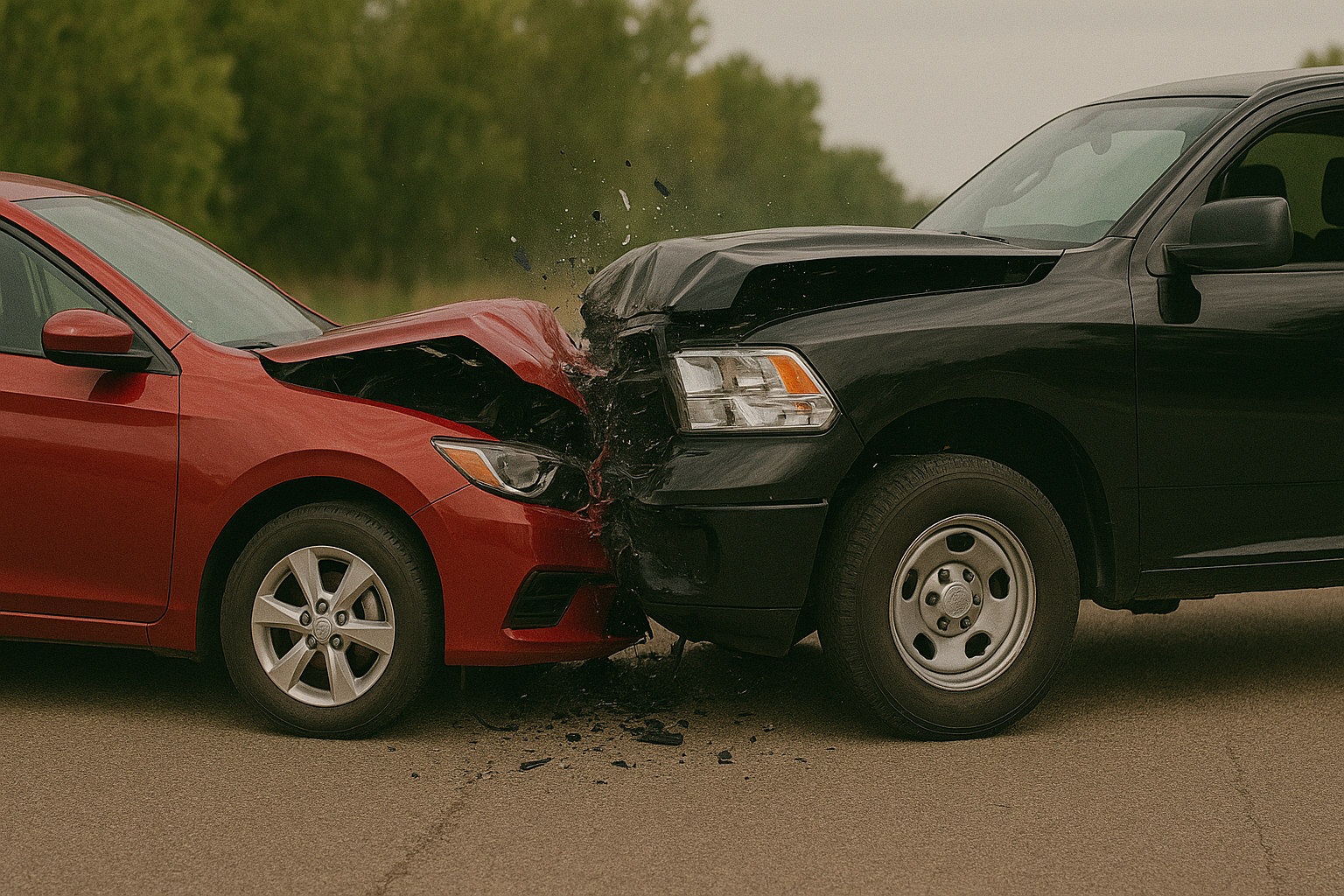
Verona, MO (November 10, 2026) – A 43-year-old man was injured Monday afternoon, November 9, in a single-vehicle accident on Farm Road 1150, approximately three miles south of Verona in Lawrence County. According to the Missouri State Highway Patrol (MSHP), the crash occurred around 12:40 p.m. when a Chevrolet Tahoe experienced an equipment malfunction, traveled off the left side of the roadway, and struck a culvert. The injured passenger was transported by ambulance to Mercy Hospital Aurora for medical treatment.
The accident involved a 2001 Chevrolet Tahoe driven by a 36-year-old man from Aurora, Missouri. Investigators reported that the SUV was traveling southbound on Farm Road 1150 when an equipment malfunction occurred. The vehicle subsequently left the roadway and collided with a culvert.
A 43-year-old male passenger from Aurora sustained moderate injuries in the collision. Emergency personnel transported him by ambulance to Mercy Hospital Aurora for treatment. Authorities have not released additional information about his injuries or provided an update on his medical condition.
The Tahoe’s driver was reportedly wearing a safety device at the time of the accident. The injured passenger was also listed as wearing a safety device. The Missouri State Highway Patrol did not identify any injuries to the driver.
The Chevrolet Tahoe sustained total damage in the collision and was left along the roadside at Farm Road 1150. The preliminary report did not indicate whether the vehicle was subsequently removed or whether the roadway was temporarily restricted during the emergency response.
The accident occurred on a rural roadway south of Verona. Although investigators identified an equipment malfunction as the event preceding the crash, the report did not specify which vehicle component failed. Authorities also did not explain whether the malfunction affected the SUV’s steering, braking, tires, or another system.
Corporal A.R. Enderle of the Missouri State Highway Patrol investigated the collision under incident number 260474229. The preliminary report identifies the equipment malfunction, roadway departure, and culvert impact as the collision sequence. No additional contributing factors or citations were listed in the information provided.
Understanding Your Rights After a Vehicle Malfunction Accident in Verona
A vehicle malfunction can create a dangerous situation when a driver loses the ability to control steering, braking, or another important system. If the malfunction causes the vehicle to leave the roadway, occupants may suffer injuries even without another vehicle being involved. Collisions with culverts, trees, and other fixed objects can produce substantial damage.
Determining responsibility after a mechanical failure accident may require examining the vehicle’s condition before the collision. Investigators may review maintenance records, repair history, and damaged components to determine what failed and why. An equipment malfunction does not automatically establish that the driver, vehicle manufacturer, or repair provider was negligent.
Missouri law may allow injured passengers to pursue compensation when another party’s negligence or a legally actionable product defect causes their injuries. The availability of a claim depends on the evidence and applicable legal requirements. In the November 9 Verona accident, the preliminary report identifies a malfunction but does not establish its cause or assign legal responsibility.
What Types of Equipment Malfunctions Can Cause a Vehicle to Leave the Road?
Several mechanical problems can affect a driver’s ability to maintain control of a vehicle. Tire failures, steering system defects, suspension problems, and brake malfunctions may contribute to roadway departure accidents. However, identifying the specific problem requires examining the vehicle and other available evidence.
A sudden tire failure may affect a vehicle’s stability, while a steering problem can interfere with the driver’s ability to maintain the intended direction of travel. Suspension damage or other mechanical problems may also affect vehicle handling. These possibilities do not establish what happened in a particular accident.
Investigators may examine whether a malfunction occurred suddenly or whether warning signs existed before the collision. Maintenance records, prior repair complaints, and physical evidence may help answer these questions. Damage caused during the crash must also be distinguished from a component failure that occurred beforehand.
In the Verona accident, the Missouri State Highway Patrol reported that the Tahoe experienced an equipment malfunction before leaving Farm Road 1150. The report does not identify the failed component or explain why the malfunction occurred. Additional information would be necessary before determining whether the problem resulted from wear, maintenance, or a manufacturing defect.
Why Are Culvert Collisions Dangerous?
Culverts are drainage structures that allow water to pass beneath roads or driveways. They may be surrounded by concrete, metal, soil, or other materials that create a substantial obstacle when struck by a vehicle. A collision with a culvert can cause serious damage because the vehicle may experience a sudden change in movement.
When a vehicle leaves the roadway, the surrounding terrain can affect how the accident develops. Uneven ground, ditches, and drainage structures may cause a vehicle to tilt, stop abruptly, or experience additional impacts. The resulting forces can injure occupants even when they are wearing seat belts.
The severity of injuries depends on the vehicle’s speed, impact angle, occupant position, and other circumstances. A vehicle may sustain extensive damage without every occupant suffering an injury. Conversely, serious injuries can occur even when external damage appears limited.
In the November 9 Verona collision, the Tahoe traveled off the left side of Farm Road 1150 and struck a culvert. The SUV sustained total damage, and a passenger suffered moderate injuries. The report does not indicate whether the vehicle overturned or experienced additional impacts.
What Does Missouri Law Require Drivers to Do About Vehicle Maintenance?
Missouri law requires motorists to operate vehicles in compliance with applicable safety requirements. Drivers also have a responsibility to exercise the highest degree of care under Missouri Revised Statutes § 304.012. This duty can include responding reasonably to known vehicle problems that may affect safe operation.
Missouri Revised Statutes § 307.360 addresses certain vehicle inspection requirements. Depending on the vehicle and applicable exemptions, inspections may identify safety-related problems involving important components. However, passing an inspection does not guarantee that a mechanical failure will never occur.
A driver’s responsibility for a malfunction depends on the circumstances. A driver who knowingly operates a vehicle with a dangerous mechanical condition may face different questions than someone who experiences a sudden, unforeseeable failure. Investigators must determine what the driver knew or reasonably should have known before the collision.
In the Verona accident, the preliminary report does not identify any prior mechanical problems involving the Chevrolet Tahoe. It also does not establish whether the driver knew about a defect before the crash. The equipment malfunction alone does not establish negligent maintenance.
Can an Injured Passenger File a Claim After a Single-Vehicle Accident?
Passengers injured in single-vehicle accidents may have grounds to pursue compensation when another party’s negligence causes their injuries. Because passengers generally do not control the vehicle’s operation, their claims may involve different questions than those concerning the driver. However, the availability of compensation depends on the evidence.
A passenger may have a claim against a negligent driver if the driver failed to maintain the vehicle or ignored a known safety problem. Another party may become relevant if defective repairs or a defective vehicle component contributed to the collision. These possibilities require evidence establishing the applicable legal requirements.
Potential damages may include medical expenses, rehabilitation costs, lost wages, and pain and suffering. When injuries affect a person’s ability to work or perform ordinary activities, additional losses may become relevant. The amount recoverable depends on the injuries and the available evidence.
In the November 9 Verona accident, a 43-year-old passenger sustained moderate injuries and was transported to Mercy Hospital Aurora. The Missouri State Highway Patrol attributed the roadway departure to an equipment malfunction but did not establish its cause. The passenger’s potential legal options would depend on additional findings.
Could a Vehicle Manufacturer Be Responsible for a Mechanical Failure?
A vehicle manufacturer or component manufacturer may face liability when a defective product causes injuries and the applicable legal requirements are satisfied. Missouri recognizes product liability claims involving certain manufacturing defects, design defects, and inadequate warnings. However, a mechanical failure does not automatically establish that a product was defective.
A manufacturing defect may involve a component that differs from its intended design. A design defect may involve a product that presents an unreasonable danger because of its design. Warning-related claims may arise when legally required information about a product’s risks was inadequate.
Investigating a potential defect may require examining the damaged component, maintenance history, and circumstances surrounding the failure. The age of the vehicle and any repairs or modifications may also become relevant. Evidence must connect the alleged defect to the accident or injuries.
In the Verona collision, the vehicle was a 2001 Chevrolet Tahoe. The report does not identify a defective component or suggest that a manufacturing defect caused the accident. Additional technical evidence would be necessary before evaluating a potential product liability claim.
Could a Repair Shop Be Responsible for a Vehicle Malfunction?
A repair provider may face liability when negligent work causes a mechanical problem that results in an accident. For example, improperly performed repairs involving steering, brakes, or other safety-related systems may create a risk of vehicle control problems. However, the existence of a recent repair does not automatically establish negligence.
A potential claim may require evidence showing what work was performed, whether it met the applicable standard of care, and how the alleged error contributed to the collision. Repair invoices, service records, and vehicle inspections may help establish these facts. The timing of the repairs may also become relevant.
A repair provider is not automatically responsible for every mechanical problem that occurs after servicing a vehicle. Components can fail for reasons unrelated to the work performed. Establishing responsibility requires connecting the alleged negligent repair to the malfunction and resulting injuries.
In the November 9 Verona accident, the Missouri State Highway Patrol did not identify any recent repairs or maintenance involving the Tahoe. The report also does not establish that a repair provider contributed to the malfunction. No conclusion concerning repair negligence can be drawn from the available information.
How Does Missouri’s Comparative Fault Law Affect Mechanical Failure Claims?
Missouri generally follows a pure comparative fault system. Under this approach, an injured person’s damages may be reduced according to their percentage of responsibility for an accident. Recovery may still be available for the portion of damages attributable to another legally responsible party.
Comparative fault may become relevant when several actions or conditions contributed to a collision. For example, a mechanical defect may be alleged alongside negligent maintenance or unreasonable driver conduct. The responsibility of each party must be established through evidence.
Passenger claims may involve different considerations because passengers generally do not control vehicle maintenance or operation. However, the circumstances of each case must be evaluated individually. The presence of a passenger does not automatically establish liability against the driver.
In the Verona accident, the Missouri State Highway Patrol identified an equipment malfunction as the event preceding the roadway departure. The report does not establish that the driver, passenger, manufacturer, or another party acted negligently. The available information does not support assigning fault percentages.
What Compensation May Be Available After a Mechanical Failure Accident?
Individuals injured by another party’s negligence or a legally actionable vehicle defect may have grounds to pursue compensation for qualifying losses. Potential damages include medical expenses, lost income, reduced earning capacity, and pain and suffering. The availability of compensation depends on establishing responsibility.
Moderate injuries may still require hospital treatment, follow-up appointments, or rehabilitation. Some individuals experience ongoing symptoms that affect their ability to work or perform daily activities. Medical records and employment documentation may help establish the consequences of the accident.
Insurance coverage may provide benefits depending on the policies involved and the cause of the collision. However, the amount available may be limited by policy terms and applicable law. A vehicle being declared a total loss does not automatically establish that an injured occupant is entitled to compensation.
In the November 9 Verona accident, the passenger sustained moderate injuries, and the Chevrolet Tahoe was declared a total loss. Authorities have not released additional information about the passenger’s medical condition or the cause of the malfunction. His potential claim would depend on the evidence and applicable Missouri law.
What Insurance Coverage May Apply After a Single-Vehicle Accident?
Automobile liability insurance may provide compensation when an insured driver is legally responsible for a passenger’s injuries. Missouri generally requires minimum liability coverage of $25,000 for bodily injury or death to one person, $50,000 for bodily injury or death to two or more people in one accident, and $25,000 for property damage. These limits are commonly described as 25/50/25 coverage.
Medical payments coverage may also provide benefits under certain automobile policies when purchased. This coverage may help pay qualifying medical expenses regardless of fault, subject to policy terms. The availability of benefits depends on the insurance arrangements.
When a vehicle malfunction involves a potentially defective component, other legal claims may become relevant. However, product liability claims are distinct from ordinary automobile insurance claims. The availability of compensation depends on the evidence establishing the cause of the malfunction.
In the Verona crash report, the driver’s insurance field was listed as “none.” This does not conclusively establish whether an active policy existed or whether other coverage may apply. Additional verification would be necessary before determining available insurance benefits.
What Evidence Is Important After a Vehicle Malfunction Accident?
Preserving the damaged vehicle may be particularly important when a mechanical failure is suspected. An inspection may help identify the component that failed and determine whether the malfunction occurred before the collision. Repairs or disposal of the vehicle can make later examinations more difficult.
Maintenance records, repair invoices, and inspection documents may provide information about the vehicle’s condition before the accident. These records can help establish whether a mechanical problem was previously reported or repaired. However, the absence of maintenance records does not automatically establish negligence.
Photographs of the vehicle, roadway, and culvert may also help explain the accident sequence. Witness statements and available camera footage may provide additional information. Medical records can document the passenger’s injuries and treatment.
In the November 9 Verona collision, the Tahoe sustained total damage and was left along Farm Road 1150. The Missouri State Highway Patrol identified an equipment malfunction but did not specify the failed component. A detailed vehicle inspection could become important if the cause of the malfunction remains disputed.
How Long Do Injured Passengers Have to File a Lawsuit in Missouri?
Missouri generally provides five years to file personal injury lawsuits under Revised Statutes § 516.120. The limitation period ordinarily begins when the cause of action accrues, although exceptions may apply. Different claims may involve different legal requirements.
Product liability claims may involve additional questions concerning the product, the alleged defect, and the responsible parties. Claims against governmental entities may also involve separate procedural requirements. The applicable deadline depends on the specific legal claim.
Insurance policies may establish reporting obligations that differ from the deadline for filing a lawsuit. Preserving physical evidence can be particularly important when a mechanical failure is involved. Damaged components may be repaired, replaced, or discarded if they are not retained.
In the November 9 Verona accident, the Missouri State Highway Patrol documented a passenger with moderate injuries and a vehicle that sustained total damage. The potential availability of a personal injury or product liability claim would depend on additional evidence. The preliminary report does not establish which party, if any, was legally responsible for the malfunction.
PLEASE TAKE NOTICE
This article is based on Missouri State Highway Patrol crash report number 260474229 concerning a single-vehicle collision on November 9, 2026. The accident occurred around 12:40 p.m. on Farm Road 1150, approximately three miles south of Verona in Lawrence County. A Chevrolet Tahoe experienced an equipment malfunction, traveled off the left side of the roadway, and struck a culvert, leaving one passenger injured.
- Passenger injured: A 43-year-old man from Aurora sustained moderate injuries in the collision. Emergency personnel transported him by ambulance to Mercy Hospital Aurora for treatment.
- SUV involved: The accident involved a 2001 Chevrolet Tahoe driven by a 36-year-old man from Aurora. The Missouri State Highway Patrol reported that the SUV was traveling southbound before leaving the roadway.
- Equipment malfunction reported: Investigators identified an equipment malfunction as the event preceding the crash. The preliminary report does not specify which component failed or explain why the malfunction occurred.
- Vehicle declared a total loss: The Tahoe sustained total damage after striking a culvert. The vehicle was left along Farm Road 1150 following the collision.
- Driver not injured: The report did not identify injuries to the Tahoe’s driver. Both the driver and injured passenger were listed as wearing safety devices at the time of the accident.
- Investigation documented: Corporal A.R. Enderle investigated the collision under Missouri State Highway Patrol incident number 260474229. Readers can review our frequently asked questions in Missouri and accident resources in Missouri for additional information about accident-related claims.
This article is intended for informational purposes only and does not constitute legal or medical advice. Information reflects the available Missouri State Highway Patrol report and may change if authorities release additional findings. The report identifies an equipment malfunction but does not establish the specific cause or determine whether negligence or a product defect contributed to the collision. Please review our disclaimer for further details.
Single-vehicle accidents involving mechanical failures can leave injured passengers facing medical expenses, lost income, and uncertainty about responsibility. Missouri law establishes specific requirements for personal injury claims, product liability actions, insurance coverage, and filing deadlines. A Missouri personal injury lawyer can review the available evidence, explain applicable legal requirements, and discuss whether an injured passenger may have grounds to pursue compensation when another party’s negligence or a legally actionable vehicle defect contributes to a collision.