 By Crash News Writer
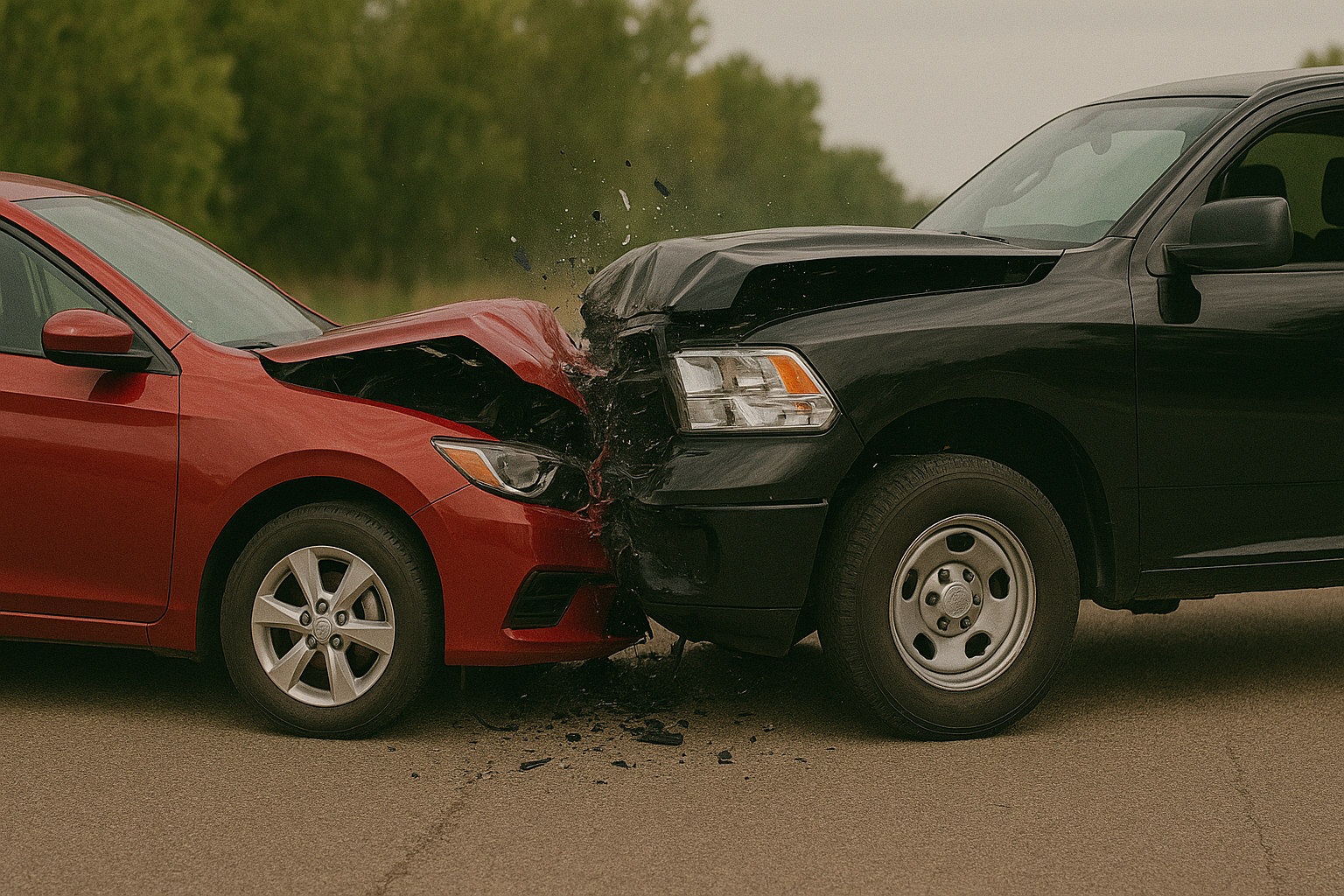
Raleigh, NC (November 11, 2026) – Two drivers were hospitalized Tuesday evening, November 10, following a two-vehicle collision on Old Wake Forest Road in Raleigh. According to the Raleigh Police Department, one of the vehicles left the roadway, traveled down an embankment, and entered a retention pond.
Police received a report of the accident at approximately 8:12 p.m. Officers responded to the scene and found that two vehicles had been involved in the collision, with one ending up in a body of water near the roadway.
Emergency personnel assisted those involved in the accident. Both drivers were transported to area hospitals with injuries described as non-life-threatening. Authorities have not released their identities, ages, or additional information about their medical conditions.
The Raleigh Police Department has not explained what caused the vehicles to collide or why one vehicle traveled down the embankment. Officials have also not identified which driver was operating the vehicle that entered the retention pond.
Details about the rescue efforts remain limited. Authorities have not specified whether the driver exited the submerged vehicle independently or required assistance from emergency responders. The depth of the water and the extent of damage to either vehicle have not been reported.
Police have not announced whether speeding, distracted driving, impaired driving, or another traffic violation contributed to the accident. The Raleigh Police Department continues to investigate the circumstances surrounding the collision.
Why Are Accidents Involving Retention Ponds Dangerous?
Vehicle accidents involving retention ponds can create additional risks beyond those associated with ordinary roadway collisions. When a vehicle leaves the road and enters water, occupants may face injuries from the initial impact as well as difficulties escaping the vehicle.
Water can enter a damaged vehicle, and electrical systems may stop functioning after submersion. Depending on the circumstances, doors and windows may become difficult to operate. These conditions can make it harder for occupants to exit safely.
The severity of a water-related vehicle accident depends on several factors, including the depth of the water, the vehicle’s position, and the occupants’ injuries. Emergency responders may need specialized equipment or rescue procedures when a vehicle becomes submerged.
In the November 10 Raleigh accident, police reported that one vehicle traveled down an embankment and entered a retention pond after a two-vehicle collision. Both drivers survived and were hospitalized with non-life-threatening injuries. Authorities have not released details about how the occupants escaped or were rescued.
What Causes Vehicles to Leave the Roadway After a Collision?
Vehicles may leave the roadway following a collision when the impact changes their direction or causes a driver to lose control. The movement depends on the vehicles’ speeds, the angle of impact, and the surrounding roadway conditions.
Some accidents involve a vehicle being pushed toward a shoulder or embankment. In other situations, a driver may steer away from another vehicle and leave the roadway while attempting to avoid a more serious impact. Investigators must examine the evidence to determine what occurred.
Roadside conditions can also affect the consequences of a collision. Embankments, drainage areas, and nearby bodies of water may create additional hazards when vehicles travel beyond the pavement. However, the presence of these features does not automatically establish that the roadway was unsafe.
In the Raleigh collision, police confirmed that one vehicle went down an embankment and into a retention pond. Authorities have not explained whether the vehicle was pushed off the roadway by the collision or left the road for another reason.
Who Can Be Held Responsible for a Two-Vehicle Accident in North Carolina?
A driver may face civil liability when negligent conduct causes another person’s injuries or property damage. Potential negligence may include failing to yield, making an unsafe lane change, following too closely, or failing to maintain a proper lookout.
Investigators may examine vehicle damage, roadway evidence, and witness statements to determine how the collision occurred. Available surveillance footage or vehicle electronic data may also provide information about the drivers’ movements before impact.
North Carolina generally follows a contributory negligence rule. Under this rule, an injured person whose own negligence contributed to the accident may be barred from recovering damages, subject to recognized exceptions. This makes the specific facts of a collision particularly important when evaluating a potential claim.
In the November 10 Raleigh accident, police have not identified which driver caused the collision or whether either motorist violated traffic laws. Any determination of civil responsibility would depend on additional evidence.
What Injuries Can Occur When a Vehicle Enters a Retention Pond?
A vehicle entering a retention pond may expose occupants to injuries from both the initial collision and the subsequent movement down an embankment. Potential injuries include head trauma, fractures, neck injuries, and back injuries. The severity depends on the impact and the vehicle’s movement.
Water-related hazards can create additional medical concerns. Occupants who become submerged may experience breathing difficulties or other complications. However, the presence of water does not establish that a person experienced drowning-related injuries.
Medical evaluation is important after a vehicle accident because some injuries may not be immediately apparent. Follow-up treatment may be necessary when symptoms develop or persist after the initial emergency response.
In the Raleigh accident, both drivers were hospitalized with injuries described as non-life-threatening. Authorities have not released specific diagnoses or reported that either driver suffered drowning-related complications.
What Should You Do After Receiving Medical Care for a Car Accident?
After receiving emergency treatment, injured drivers can begin organizing records related to the collision. Hospital discharge instructions, medical bills, and follow-up appointment information may help document their injuries and recovery.
Obtaining the police report can provide information about the investigating agency and the vehicles involved. Photographs of vehicle damage, repair estimates, and available witness information may also become important when addressing insurance claims.
Injured individuals may need to document time missed from work or changes in their ability to complete normal activities. These records can help establish the financial and personal effects of the accident. The available compensation depends on the circumstances and applicable insurance coverage.
In the November 10 Raleigh collision, both drivers received hospital treatment after the accident. Police have not released information about medical expenses, insurance claims, or the extent of vehicle damage.
Can Dangerous Road Conditions Contribute to a Vehicle Entering Water?
Roadway conditions may contribute to certain accidents when drivers encounter hazards that affect vehicle control or increase the risk of leaving the pavement. Potential concerns can include inadequate drainage, poor visibility, damaged pavement, or roadside features that create additional risks.
However, the presence of a retention pond or embankment near a roadway does not automatically establish that the road was defective. Determining whether a dangerous condition contributed to a collision may require an engineering assessment and evidence about the roadway’s design and maintenance.
Claims involving public roadway conditions can be subject to different legal requirements than ordinary claims against negligent drivers. North Carolina law also recognizes governmental immunity in certain circumstances, which may limit claims against public entities.
In the Raleigh accident, police reported that one vehicle traveled down an embankment into a retention pond. Authorities have not identified a roadway defect or maintenance problem as a contributing factor.
What Compensation May Be Available After a Two-Vehicle Crash?
People injured by another party’s negligence may have grounds to pursue compensation for qualifying losses. Potential damages can include medical expenses, lost income, rehabilitation costs, and pain and suffering.
The availability of compensation depends on establishing legal responsibility and addressing North Carolina’s contributory negligence rule. Insurance coverage may also affect the options available to injured drivers.
When a vehicle is significantly damaged or enters water, property damage claims may involve repair costs or the vehicle’s total loss value. Insurance companies may evaluate whether the vehicle can be repaired safely or whether replacement compensation is appropriate under the applicable policy.
In the November 10 Raleigh accident, one vehicle entered a retention pond, and both drivers were hospitalized. Authorities have not released information about insurance coverage or determined which driver was responsible for the collision.
What Evidence Is Important After a Vehicle Enters a Retention Pond?
Evidence can help investigators reconstruct the collision and determine why one vehicle left the roadway. Photographs of the vehicles, roadway markings, and embankment may provide information about the sequence of events.
Investigators may examine tire marks, vehicle damage, and the location where the vehicle entered the water. Witness statements and available camera footage may also help establish the vehicles’ movements before the collision.
Vehicle electronic data may provide additional information about speed, braking, and other activity, depending on the vehicles involved. These records can become important when the cause of a collision remains unclear.
In the Raleigh accident, police have confirmed that two vehicles collided and one entered a retention pond. The department has not released reconstruction findings or identified the actions that caused the vehicle to leave the roadway.
How Long Do Injured Drivers Have to File a Lawsuit in North Carolina?
North Carolina generally provides three years to file personal injury lawsuits under North Carolina General Statutes § 1-52, subject to applicable exceptions. The deadline ordinarily begins on the date of injury.
Many property damage claims are also subject to a three-year limitation period, although the applicable deadline depends on the type of claim. Claims involving governmental entities may have additional procedural requirements.
Insurance policies may establish reporting obligations that differ from court filing deadlines. Injured individuals may need to preserve medical records, accident reports, and other evidence while evaluating their options.
In the November 10 Raleigh accident, authorities have not determined which driver caused the collision. Any potential legal claim would depend on the investigation and applicable North Carolina law.
Raleigh Police Continue Investigating Old Wake Forest Road Crash
The Raleigh Police Department continues to investigate the November 10 two-vehicle accident on Old Wake Forest Road. Officers responded at approximately 8:12 p.m. after receiving a report of a collision that sent one vehicle down an embankment and into a retention pond.
Both drivers were transported to hospitals with non-life-threatening injuries. Authorities have not released their identities or explained what caused the collision.
Accidents involving vehicles entering water can create serious risks and leave injured motorists facing medical expenses, vehicle damage, and questions about responsibility. A Raleigh car accident attorney can review the available evidence, explain North Carolina’s negligence laws, and help injured individuals understand whether compensation may be available.