 By Crash News Writer
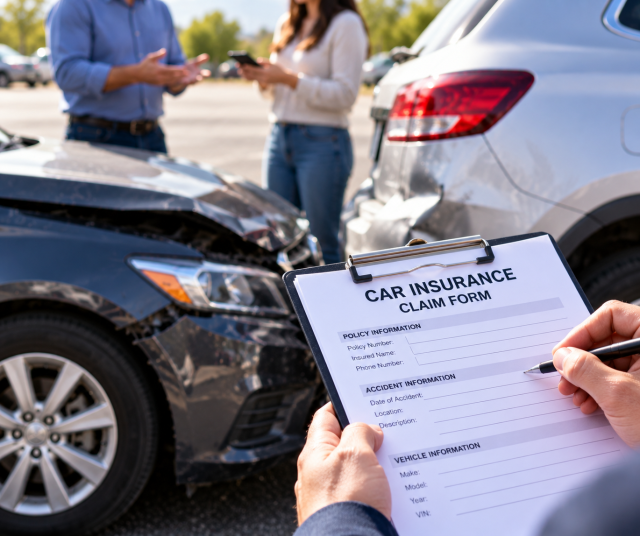
After a car accident, one of your first financial questions may be: Who is going to pay for this? You could be dealing with vehicle repairs, medical bills, lost income, a rental car, and other unexpected expenses at the same time.
Understanding car insurance coverage after an accident can help you know where to turn. However, there is no single answer that applies to every crash. What an insurer pays depends on your policy, applicable state law, who caused the accident, available coverage limits, deductibles, and the types of losses involved.
The Insurance Information Institute explains that an auto insurance policy can contain several different types of protection, including liability, collision, comprehensive, uninsured and underinsured motorist coverage, and medical-related coverage.
Knowing the differences can make the claims process easier to understand.
How Does Car Insurance Coverage After an Accident Work?
Car insurance is not one large pool of money that automatically pays every expense following a collision. Your policy contains individual types of coverage, and each serves a different purpose.
Some coverage protects other people when you cause an accident. Other coverage can help pay for your own vehicle or injuries. Your deductible and policy limits may also affect what you receive.
State laws add another layer. Required insurance coverage and rules for handling injury claims differ across the country.
Because of these differences, understanding your declarations page and full insurance policy is an important starting point when determining car insurance coverage after an accident.
Liability Insurance May Cover Damage You Cause
Liability coverage generally applies when you are legally responsible for harming someone else in an accident.
Bodily injury liability may help pay covered losses associated with injuries you cause to another person. Property damage liability generally addresses damage you cause to someone else’s vehicle or other property.
For example, suppose you fail to stop at a red light and hit another vehicle. If you are responsible for the crash, your liability coverage may apply to the other driver’s covered losses, subject to your policy and its limits.
Liability insurance generally does not pay to repair your own vehicle simply because you caused the accident. That is where other types of coverage may become important.
What Does Collision Coverage Pay For?
Collision coverage is designed to help pay for damage to your vehicle caused by a collision with another vehicle or object, subject to the terms of the policy.
It may apply whether you hit another car, strike a guardrail, or are involved in certain other covered collisions. Collision coverage is generally optional unless a lender or leasing company requires you to carry it.
A deductible usually applies. If you have a $1,000 collision deductible and a covered repair costs $5,000, for example, the deductible can affect how much the insurer pays.
When evaluating car insurance coverage after an accident, check both your collision limit and deductible rather than assuming all repair costs will be paid.
What Does Comprehensive Insurance Cover?
Comprehensive coverage generally protects your vehicle against certain types of physical damage that do not involve a collision.
Common examples can include theft, vandalism, fire, falling objects, certain weather events, and contact with animals. The exact covered events depend on your policy.
Although comprehensive insurance may not be the primary coverage after a typical two-car collision, it is still an important part of understanding your auto policy.
Like collision coverage, comprehensive insurance commonly includes a deductible. Your policy documents should explain when it applies and what events are excluded.
Can Car Insurance Pay Your Medical Bills?
Potentially. The answer depends on your coverage and state law.
Some policies include medical payments coverage, commonly called MedPay. It can help with qualifying medical expenses for you and your passengers, subject to policy terms and limits.
Personal injury protection, or PIP, is another form of coverage available or required in certain states. Depending on the jurisdiction and policy, PIP may help cover medical costs and certain other accident-related losses.
Health insurance may also become involved.
When examining car insurance coverage after an accident involving injuries, identify every potentially applicable policy rather than assuming the other driver’s insurance is the only possible source of payment.
If your injuries result in a legal claim, it may help to understand how insurance and personal injury claims can interact.
What Happens If the Other Driver Has No Insurance?
Being hit by an uninsured driver can create serious financial problems, especially when you suffer significant injuries.
Uninsured motorist coverage may provide protection when an at-fault driver has no applicable insurance. Underinsured motorist coverage may become relevant when the responsible driver has insurance but does not have enough coverage for qualifying losses.
Exactly what these coverages provide varies by policy and state.
This is why car insurance coverage after an accident should be reviewed carefully when an uninsured or underinsured driver is involved. You can also learn more about your options when an uninsured driver hits you.
Do not assume you have no options simply because the other driver says they are uninsured.
Does Insurance Cover a Rental Car?
It can, but rental reimbursement is not automatically included with every policy.
If you purchased rental reimbursement coverage, your insurer may help pay for a temporary replacement vehicle while your covered car is being repaired. Daily and total limits may apply.
When another driver caused the collision, that driver’s insurer may sometimes address reasonable rental expenses as part of a property damage claim, depending on applicable law and the circumstances.
Ask the insurer what amount is authorized before renting an expensive replacement vehicle. Otherwise, you could discover later that some charges are not covered.
Rental coverage is one area where reviewing your specific policy is much more reliable than assuming you are protected.
What If Your Vehicle Is Declared a Total Loss?
Sometimes repairing a damaged vehicle does not make financial sense. An insurance company may classify the vehicle as a total loss based on applicable state rules, vehicle value, repair costs, and the policy.
A total-loss settlement is generally based on the vehicle’s value under the policy and applicable rules rather than simply the amount you originally paid for the car.
This distinction can create problems when you still owe money on an auto loan.
For example, your insurer might value your totaled vehicle at less than your outstanding loan balance. Guaranteed asset protection, commonly called GAP coverage, may help with certain differences between the insurance settlement and qualifying loan or lease obligations, depending on its terms.
Understanding these details is an important part of car insurance coverage after an accident involving major vehicle damage.
Does Insurance Cover Lost Wages?
Sometimes.
Certain forms of no-fault or personal injury protection coverage may provide benefits for a portion of qualifying lost income, depending on state law and the policy. If another person caused your injuries, lost earnings might also become part of a liability claim against the responsible party.
Documentation is important. Pay records, tax documents, employer statements, and medical restrictions may help establish how an accident affected your ability to work.
If your injuries are significant, maintain organized records of missed work and income losses rather than attempting to recreate the information months later.
What About Pain and Suffering?
Pain and suffering is different from a straightforward vehicle repair bill or medical invoice.
If another person’s negligence caused your injuries, compensation for qualifying non-economic losses may sometimes be available through a liability claim, depending on state law and the facts of the case.
These damages can involve physical pain and the ways an injury affects everyday life. You can learn more about pain and suffering in an injury claim and the factors that may affect these damages.
A personal injury case can involve legal and insurance issues beyond simply submitting bills to an insurer.
What Are Insurance Policy Limits?
Policy limits establish the maximum amount an insurer will pay under a particular coverage, subject to the policy’s terms.
Suppose an at-fault driver causes losses that exceed available liability insurance. The insurance policy does not necessarily expand simply because the damages are greater than the limit.
This can create a coverage gap in serious accidents.
Other insurance, including underinsured motorist coverage, may become important depending on the circumstances. Additional potentially responsible parties can also sometimes exist.
When losses are significant, determining all available insurance can be just as important as establishing who caused the collision.
What Is an Insurance Deductible?
A deductible is the amount you are responsible for paying before certain coverage contributes to a covered loss.
Deductibles commonly apply to collision and comprehensive claims. They do not necessarily work the same way for every type of coverage.
Suppose your covered vehicle damage is $4,500 and you have a $500 collision deductible. Your deductible would generally reduce the insurer’s payment by $500, subject to the terms of your policy.
Reviewing the deductible is therefore an important step when calculating the practical value of your car insurance coverage after an accident.
What Should You Do When Filing an Insurance Claim?
Report the collision to your insurer as required by your policy and provide accurate information. Save your claim number and the contact information for the adjuster handling the case.
Photographs can help document vehicle damage and the crash scene. Keep repair estimates, towing bills, rental receipts, medical records, and other accident-related documents together.
Be truthful when answering questions, but avoid guessing about details you cannot remember. Do not exaggerate your injuries or losses.
Also read documents carefully before signing them. A settlement or release could affect your ability to seek additional compensation later.
You can find additional accident resources to help you understand common issues that may arise during the claims process.
Can an Insurance Company Deny Your Claim?
Yes. Insurance companies may deny claims for several reasons, including policy exclusions, disputes over liability, questions about whether coverage was active, or allegations that a particular loss is not covered.
A denial does not automatically tell you whether the insurer’s position is correct.
Request an explanation of the decision and review the relevant portions of your policy. Keep copies of letters, emails, estimates, photographs, and other communications.
When car insurance coverage after an accident becomes disputed, understanding the insurer’s specific reason for denying or limiting the claim can help you decide what to do next.
Frequently Asked Questions
Insurance policies contain many different coverages, limits, exclusions, and conditions. These common questions can help you better understand what may happen after a collision, although your actual benefits depend on your policy and applicable law.
Does Car Insurance Pay for Everything After an Accident?
No. Car insurance coverage after an accident depends on the coverages purchased, policy limits, deductibles, exclusions, state law, and responsibility for the crash. You may have some losses that exceed available insurance or are not covered by a particular policy.
Will My Insurance Pay If I Caused the Crash?
It may. Your liability coverage may address covered injuries or property damage you caused to other people, while collision coverage may help repair or replace your own covered vehicle. Your exact protection depends on your policy.
Who Pays My Medical Bills After an Accident?
The answer depends on the state, available insurance, and who caused the accident. PIP, MedPay, health insurance, liability coverage, or other insurance could potentially become involved. More than one source may apply to the same accident.
What Happens If the At-Fault Driver Does Not Have Enough Insurance?
Your underinsured motorist coverage may provide additional protection if it applies to the loss. Other sources of recovery may also be available depending on the circumstances. Review your policy carefully before assuming the at-fault driver’s insurance limit is the maximum possible recovery.
Should I Accept the Insurance Company’s First Settlement Offer?
You are not required to accept an offer simply because an insurer makes it. Consider whether you understand the full extent of your injuries, expenses, vehicle damage, and other losses before resolving a claim. This can be particularly important when medical treatment is ongoing.
Protect Your Rights After an Insurance Claim
Understanding car insurance coverage after an accident can make an already stressful situation easier to manage. Liability, collision, comprehensive, PIP, MedPay, uninsured motorist, and underinsured motorist coverage can serve very different purposes.
Start by reviewing your policy, documenting the accident, keeping records of your expenses, and asking questions when an insurer’s explanation is unclear. Avoid assuming that every expense is covered—or that a denied expense can never be challenged.
If you or a loved one suffered serious injuries and you are uncertain about available insurance or compensation, speaking with a qualified personal injury attorney can help you understand the policy, applicable state law, and your options after the accident.