 By Crash News Writer
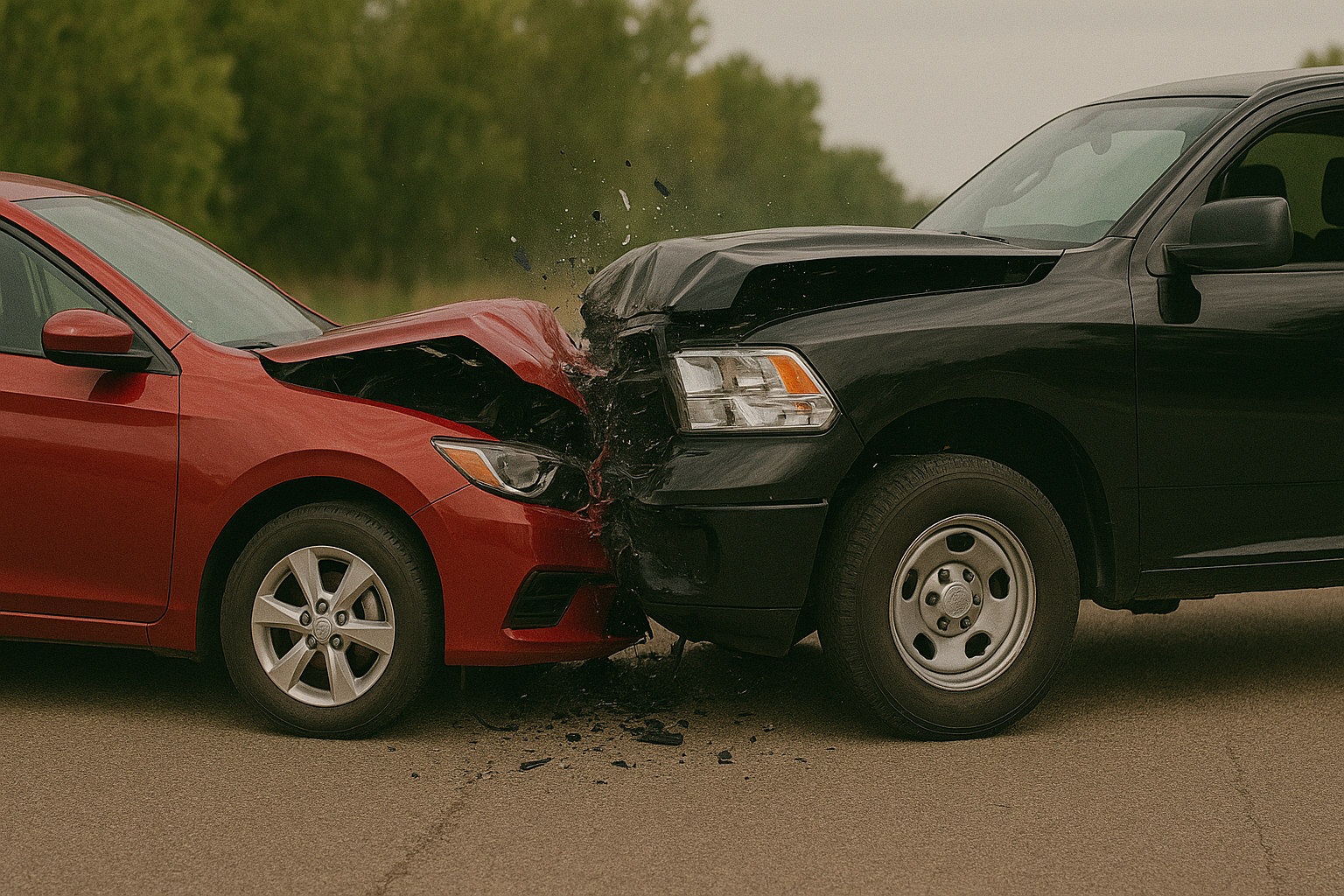
Seguin, TX (November 9, 2026) – Five people, including three children, were killed Sunday afternoon, November 8, when an SUV left Interstate 10 in Seguin and crashed onto Farm-to-Market Road 725 below. According to the City of Seguin, the vehicle was traveling eastbound on I-10 shortly before 1 p.m. when it went off the elevated roadway.
Authorities confirmed that two adults and three children died in the collision. The Seguin Police Department reported that all five victims were from the Houston area, although officials had not released their identities as of the initial report.
The fatal accident occurred where Interstate 10 passes over FM 725 in Seguin, a city in Guadalupe County east of San Antonio. The SUV reportedly left the interstate and fell to the roadway below, resulting in the deaths of all five individuals.
Officials have not explained what caused the SUV to leave the elevated highway. The initial report did not identify speeding, distracted driving, impairment, mechanical failure, or roadway conditions as contributing factors.
Authorities also have not released the make or model of the SUV. Information about the vehicle’s speed, the driver’s actions before leaving the interstate, and whether any other vehicles were involved was not provided.
The City of Seguin confirmed that the crash resulted in the deaths of two adults and three children. Officials did not disclose the victims’ ages, their relationships to one another, or whether they were traveling together as members of the same family.
The Seguin Police Department indicated that the deceased individuals were from the Houston area. Authorities have not announced when their names will be released or whether investigators have completed the identification and notification process.
The collision caused a roadway closure while emergency personnel responded and authorities investigated the scene. Police reported that the affected roadway reopened shortly after 6 p.m. Sunday, several hours after the fatal accident.
The initial report did not specify which lanes or road segments were closed during the response. It also did not provide information about traffic backups or whether motorists were diverted onto alternate routes.
The circumstances surrounding the SUV’s departure from Interstate 10 remain unclear. Investigators have not indicated whether the vehicle struck a barrier before falling from the overpass or whether it traveled through an opening along the elevated roadway.
Officials also have not released information about the height of the overpass, the vehicle’s final position, or the specific injuries sustained by the occupants.
Crashes involving vehicles that leave elevated roadways can result in devastating consequences because occupants may experience the initial roadway departure, a fall, and a severe impact with the surface below.
However, the precise sequence of events in the Seguin collision has not been established beyond the information that the SUV left eastbound I-10 and crashed onto FM 725.
The City of Seguin confirmed that the accident remains under investigation. Additional information may become available as investigators examine the scene, identify the victims, and determine why the SUV left the interstate.
Understanding Your Rights After a Fatal Overpass Accident in Seguin
Accidents involving vehicles that leave elevated highways can be particularly destructive because of the forces involved when a vehicle falls onto a lower roadway. These collisions may involve multiple impacts, extensive vehicle damage, and serious injuries to occupants.
When a vehicle leaves an interstate overpass, investigators may examine driver behavior, mechanical conditions, roadway design, and the surrounding environment to determine what caused the departure.
Under car accident laws in Texas, surviving family members may have legal options when another person’s negligence or wrongful conduct contributes to a fatal collision.
However, the occurrence of a single-vehicle accident does not automatically establish that another party was negligent. A complete investigation may be necessary to determine whether anyone besides the driver contributed to the crash.
Anyone searching for a car accident near me or a car accident near Seguin should understand that fatal highway accidents may involve questions about insurance coverage, wrongful death claims, and the preservation of important evidence.
An official car accident report may help establish the location, vehicles, and preliminary findings, but additional evidence may be necessary to determine legal responsibility.
What Can Cause a Vehicle to Leave an Interstate Overpass?
Vehicles may leave elevated roadways for several reasons, including sudden steering movements, loss of traction, mechanical problems, or unexpected driving conditions.
Driver distraction, fatigue, impairment, and excessive speed may also contribute to certain roadway departure accidents. However, none of these factors has been identified as the cause of the November 8 collision in Seguin.
When a vehicle approaches the edge of an elevated highway, the presence and condition of roadside barriers may become relevant to the investigation.
Guardrails and bridge barriers are designed to reduce certain roadway departure risks, but their performance depends on the type of barrier, the vehicle involved, and the circumstances of the impact.
Investigators may examine whether a vehicle struck a barrier, traveled through an opening, or left the roadway in another manner.
In the Seguin accident, authorities reported that the SUV was traveling eastbound on Interstate 10 before leaving the roadway and falling onto FM 725.
Officials have not disclosed whether the SUV contacted a guardrail or bridge barrier before the fall.
The available information also does not establish whether a mechanical problem, driver action, or roadway condition caused the vehicle to leave the interstate.
Those questions remain part of the ongoing investigation.
Why Are Overpass Falls Especially Dangerous?
When a vehicle falls from an elevated roadway, its occupants may experience substantial forces when the vehicle strikes the ground or roadway below.
The severity of the impact depends on several factors, including the height of the fall, the vehicle’s orientation, and the surface it strikes.
A vehicle may overturn or experience extensive structural damage during the fall or upon impact.
Occupants may suffer severe head injuries, spinal injuries, internal injuries, or other life-threatening trauma.
Safety equipment, including seat belts and airbags, can reduce certain injury risks, but no vehicle safety system can eliminate every danger associated with a major collision.
In the November 8 Seguin accident, authorities confirmed that all five occupants died after the SUV fell from Interstate 10 onto FM 725.
Officials have not released information about the vehicle’s orientation during the fall or the specific injuries sustained by the victims.
The report also does not identify whether the occupants were wearing seat belts or whether child passenger safety restraints were present.
Those details should not be assumed without official findings.
Can Roadway Design or Barrier Conditions Contribute to an Overpass Crash?
Roadway design and maintenance may become relevant when investigators examine a vehicle’s departure from an elevated highway.
Bridge barriers, guardrails, roadway markings, and other safety features are intended to help drivers remain within designated travel areas or reduce the consequences of certain roadway departures.
However, the fact that a vehicle fell from an overpass does not automatically establish that the roadway was improperly designed or maintained.
Investigators may need to determine whether the relevant safety features complied with applicable standards and whether any alleged deficiency contributed to the collision.
When a roadway defect is suspected, evidence concerning the condition, maintenance history, and responsible agency may become important.
Claims involving government-maintained highways may also be affected by the Texas Tort Claims Act and other governmental immunity rules.
Under Texas Civil Practice and Remedies Code Chapter 101, certain claims against governmental entities may be permitted under limited circumstances, but strict legal requirements apply.
These cases may involve special notice deadlines and limitations on recoverable damages.
In the Seguin collision, authorities have not identified a roadway defect or reported that any bridge barrier failed.
There is currently no evidence in the supplied report establishing that a public agency or another party contributed to the SUV leaving Interstate 10.
Can Mechanical Failure Cause a Fatal Single-Vehicle Accident?
Mechanical problems can contribute to some serious highway accidents. Tire failures, steering defects, braking problems, and other equipment issues may affect a driver’s ability to maintain control.
However, a vehicle leaving the roadway does not establish that a mechanical failure occurred.
Investigators may examine the vehicle’s tires, steering components, braking system, and other equipment when determining the cause of a crash.
If a defective component contributed to a fatal accident, a potential product liability claim may arise under certain circumstances.
Such claims generally require evidence establishing that a product was defective and that the defect caused legally recognized harm.
The Texas Civil Practice and Remedies Code includes provisions governing certain product liability actions.
In the November 8 accident, authorities have not released the SUV’s make, model, or mechanical condition.
No information has been provided suggesting that a vehicle defect caused the collision.
Any assessment of potential mechanical failure would require additional investigative findings.
Who Can File a Wrongful Death Claim in Texas?
Texas law permits certain surviving family members to pursue wrongful death claims when a person’s death results from another party’s legally actionable wrongful act, neglect, carelessness, unskillfulness, or default.
Under Texas Civil Practice and Remedies Code Chapter 71, a wrongful death action may generally be brought by the deceased person’s surviving spouse, children, or parents.
These claims may seek compensation for qualifying losses resulting from the death, including lost financial support, loss of companionship, and mental anguish.
However, the availability of damages depends on the facts and applicable law.
A fatal collision does not automatically create a wrongful death claim against another person or entity.
In a single-vehicle accident, investigators may need to determine whether another party’s conduct, a defective vehicle component, or a dangerous roadway condition contributed to the deaths.
The circumstances may also differ depending on which individuals were driving or riding as passengers.
In the Seguin collision, authorities confirmed that two adults and three children died, but they have not identified the victims or their relationships to one another.
The available information does not establish who was driving or whether another party was legally responsible.
A wrongful death claim would require additional evidence supporting the applicable legal requirements.
How Does Texas’ Comparative Responsibility Law Affect Accident Claims?
Texas follows a modified comparative responsibility system under Texas Civil Practice and Remedies Code Chapter 33.
Under this system, a person’s recovery may be reduced according to their percentage of responsibility for an accident.
A claimant whose percentage of responsibility exceeds 50% is generally barred from recovering damages in claims governed by the statute.
When the claimant’s responsibility is 50% or less, recoverable damages may be reduced according to the assigned percentage.
These rules can become important when evidence shows that multiple parties contributed to a collision.
For example, investigators may examine driver conduct, roadway conditions, or vehicle defects when determining responsibility.
However, these circumstances must be supported by evidence rather than assumptions.
Anyone researching a car accident near me or a car accident near Seguin should understand that a fatal collision does not automatically establish negligence by the driver or another party.
In the November 8 accident, investigators have not determined why the SUV left the interstate.
Therefore, the available information does not support a conclusion concerning comparative responsibility.
What Insurance Coverage May Apply After a Fatal SUV Accident?
Insurance coverage following a fatal accident depends on the policies involved and the circumstances surrounding the collision.
Automobile insurance may provide certain benefits for medical expenses, vehicle damage, or other covered losses.
Texas generally requires drivers to carry minimum automobile liability insurance coverage of $30,000 for bodily injury or death to one person, $60,000 for bodily injury or death to two or more people in one accident, and $25,000 for property damage.
These minimum amounts are commonly described as 30/60/25 coverage.
However, liability insurance generally depends on whether an insured person is legally responsible for covered damages.
Personal injury protection coverage may provide certain benefits regardless of fault when included in an applicable policy.
Texas insurers generally must offer PIP coverage, although policyholders may reject it in writing.
Other coverage, including uninsured or underinsured motorist protection, may become relevant under certain circumstances.
In the Seguin accident, authorities have not released information about the SUV’s insurance coverage or identified another potentially responsible party.
Determining whether insurance benefits are available would require reviewing the applicable policies and the investigative findings.
What Evidence Matters After a Fatal Overpass Accident?
Evidence collected after a fatal highway accident may help investigators determine why a vehicle left the roadway and how the collision occurred.
Photographs of the overpass, roadway markings, barriers, and vehicle damage may provide important information.
Investigators may also examine tire marks, debris, vehicle components, and the SUV’s final position.
When available, traffic camera footage or witness statements may help establish the vehicle’s movements before leaving the interstate.
Certain vehicles may also contain electronic systems that record limited information relevant to a collision.
An official car accident report may document the investigating officers’ observations, but preliminary findings may change as additional evidence becomes available.
In the Seguin collision, authorities reported that the SUV left eastbound Interstate 10 shortly before 1 p.m. and crashed onto FM 725.
Officials have not released detailed reconstruction findings or identified the cause of the roadway departure.
The City of Seguin confirmed that the crash remains under investigation.
How Long Do Families Have to File a Wrongful Death Claim in Texas?
Texas generally provides two years from the date of death to file a wrongful death lawsuit under Texas Civil Practice and Remedies Code § 16.003.
However, exceptions and special rules may apply depending on the circumstances.
Claims involving governmental entities may require notice substantially sooner than the ordinary two-year filing deadline.
For example, the Texas Tort Claims Act generally establishes a six-month notice requirement for certain claims against governmental units, while some local governments have additional notice provisions.
Insurance policies may also contain separate reporting requirements.
Families considering a claim should understand that the applicable deadlines depend on the facts and legal basis for the action.
In the November 8 Seguin collision, authorities have not identified a cause or established that another party was negligent.
Those findings may affect whether a wrongful death claim is legally available.
PLEASE TAKE NOTICE
This article reflects information released by the City of Seguin and Seguin Police Department concerning a fatal crash on November 8, 2026. The investigation remains active, and additional information may become available as authorities release further findings.
- Five people killed: Authorities confirmed that two adults and three children died in the collision. The Seguin Police Department reported that all five victims were from the Houston area.
- Crash location and time: The accident occurred shortly before 1 p.m. Sunday along eastbound Interstate 10 in Seguin. The SUV left the elevated roadway and crashed onto Farm-to-Market Road 725 below.
- Victims not identified: Authorities had not released the names or ages of the deceased individuals as of the initial report. Officials also had not disclosed their relationships to one another or identified who was driving.
- Cause under investigation: The available information does not establish why the SUV left Interstate 10. Authorities have not identified speeding, impairment, mechanical failure, or roadway conditions as contributing factors.
- Roadway reopened: Police reported that the affected roadway reopened shortly after 6 p.m. Sunday following the emergency response and investigation. Readers can review our frequently asked questions in Texas for additional information about accident-related claims.
- Investigation continues: The City of Seguin confirmed that authorities are investigating the circumstances surrounding the fatal collision. Surviving families can explore accident resources in Texas for additional information about their rights.
This article is intended for informational purposes only and does not constitute legal or medical advice. Information reflects publicly available reports and may change as investigators release additional findings. The cause of the roadway departure has not been established, and no determination of negligence or legal responsibility should be assumed. Please review our disclaimer for further details.
Fatal highway accidents can leave surviving families facing funeral expenses, financial uncertainty, and difficult questions about what caused the collision. Texas law establishes specific requirements for wrongful death claims, comparative responsibility, insurance coverage, and potential claims involving defective vehicles or dangerous roadway conditions. A Texas personal injury lawyer can review the available evidence, explain applicable filing deadlines, and discuss whether surviving family members may have grounds to pursue compensation following a fatal highway accident.