 By Crash News Writer
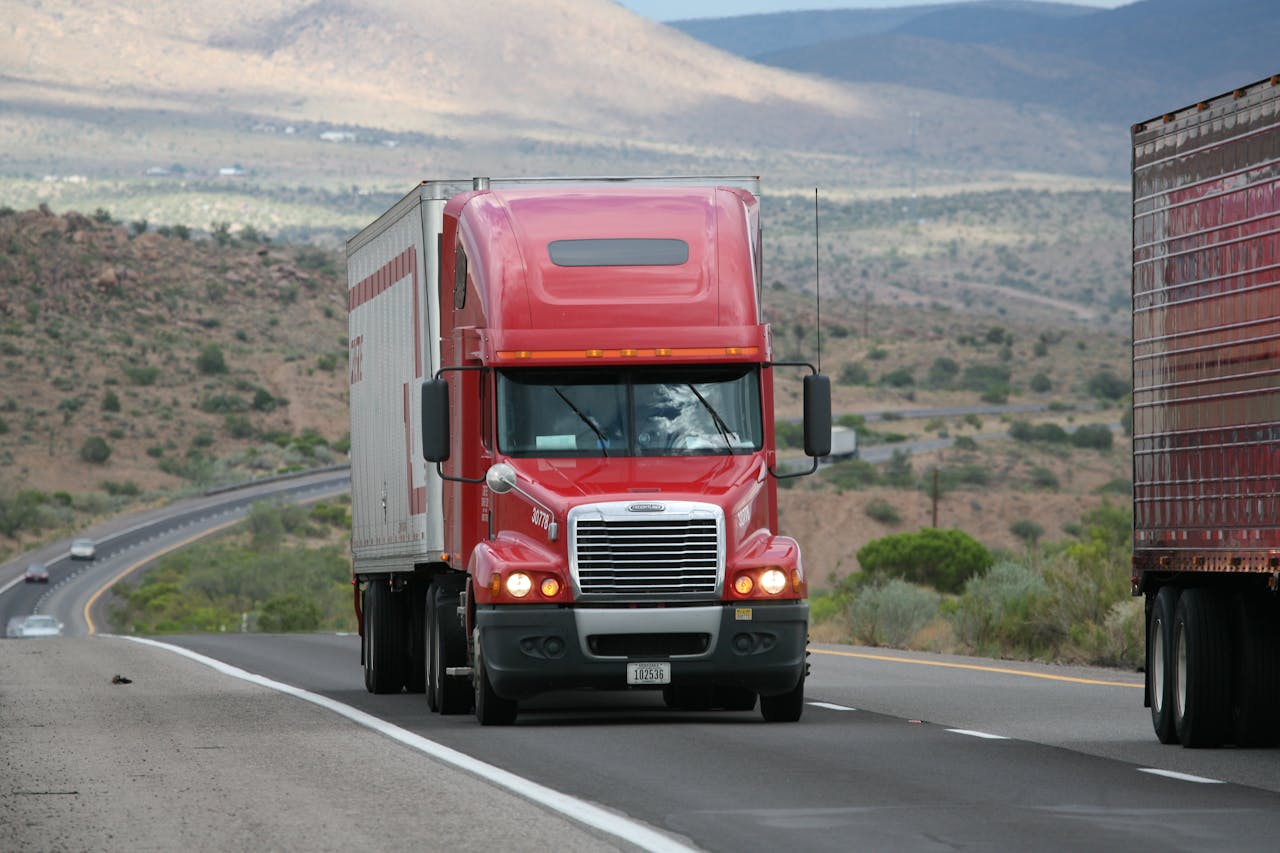
Chicago, IL (November 9, 2026) – A 26-year-old woman was killed early Sunday morning, November 8, in a two-vehicle collision involving a semi-truck on the Dan Ryan Expressway near Chicago’s Fuller Park neighborhood. According to Illinois State Police (ISP), the fatal accident occurred along northbound Interstate 94 near Root Street and forced authorities to temporarily close all northbound lanes.
The Cook County Medical Examiner’s Office identified the deceased woman as Derricka P. Porter, 26. Officials confirmed that Porter died in the collision, although authorities have not released details about the injuries she sustained or the circumstances leading to her death.
Illinois State Police reported that troopers responded to the crash shortly before 3:15 a.m. The collision occurred on the northbound Dan Ryan Expressway near Root Street, an area south of downtown Chicago.
Video footage from the scene showed that the accident involved a semi-truck and a passenger car. However, investigators have not released information about how the vehicles collided or their positions before the impact.
Authorities also have not confirmed which vehicle Porter occupied or whether she was driving or riding as a passenger. No additional injuries were reported in connection with the accident.
The collision prompted a significant emergency response and temporarily disrupted northbound traffic along Interstate 94. Illinois State Police closed all northbound lanes while personnel investigated the crash and addressed conditions at the scene.
During the closure, motorists were diverted off the expressway at 43rd Street. According to state police, the affected lanes remained closed until approximately 7 a.m., when the roadway reopened to traffic.
The closure lasted several hours during the early morning period. Although the accident occurred before the usual daytime traffic increase, the shutdown affected drivers traveling northbound through Chicago’s South Side.
The available report does not indicate whether the semi-truck was carrying cargo or whether any materials spilled onto the roadway. Authorities also have not released information about the truck’s operator, the trucking company, or the passenger vehicle’s make and model.
Investigators have not identified speeding, impairment, distracted driving, fatigue, or mechanical problems as contributing factors. The cause of the collision remained unclear when officials released the initial information.
Because the accident involved a commercial truck and a passenger vehicle, investigators may need to examine several types of evidence to determine what happened. However, no official findings concerning fault or possible traffic violations have been announced.
The Illinois State Police are investigating the fatal collision. Additional information may become available as authorities review evidence and determine what caused the two vehicles to collide.
Understanding Your Rights After a Fatal Semi-Truck Accident in Chicago
Collisions involving commercial trucks and passenger vehicles can result in devastating injuries because of the differences in vehicle size, weight, and structure. When a semi-truck and smaller vehicle collide, occupants of the passenger vehicle may face substantial risks even when safety equipment is used.
Truck accidents can also involve more complicated investigations than ordinary passenger vehicle collisions. Investigators may need to examine driver conduct, vehicle maintenance, commercial trucking records, and the actions of other motorists.
Under car accident laws in Illinois, individuals injured in motor vehicle accidents may have grounds to pursue compensation when another party’s negligence contributes to their injuries. Surviving family members may also have legal options when a collision results in a death.
Anyone searching for a car accident near me or a car accident near Chicago should understand that commercial truck collisions may involve additional evidence and potentially responsible parties.
An official car accident report can provide important information about the location, vehicles, and initial investigative findings. However, a preliminary report does not necessarily establish which driver caused the collision.
Why Are Semi-Truck Accidents Particularly Dangerous?
Commercial semi-trucks are significantly larger and heavier than most passenger vehicles. Their size and weight can affect stopping distances, turning movements, and the forces involved in a collision.
When a truck strikes a smaller vehicle, the impact may cause extensive damage to the passenger compartment. The resulting injuries can depend on the speed, direction of impact, and positions of the vehicles.
Serious truck accidents may cause head injuries, spinal injuries, broken bones, internal injuries, and other life-threatening conditions.
The height and structure of a commercial truck can also affect how the vehicles interact during a collision. In some accidents, a smaller vehicle may become trapped beneath part of a trailer or experience significant damage from the impact.
However, authorities have not indicated that an underride collision occurred in the November 8 Chicago accident.
The available information establishes that a semi-truck and passenger car were involved, but investigators have not explained how the vehicles collided.
Officials also have not identified which vehicle Porter occupied. Without additional information, it would be inaccurate to assume that she was driving the passenger car or that the truck struck her vehicle.
What Factors Can Contribute to Commercial Truck Collisions?
Commercial truck accidents can occur for several reasons, including unsafe lane changes, following too closely, driver distraction, fatigue, and mechanical problems.
Truck operators must account for their vehicles’ size and stopping distances when traveling through traffic. Sudden changes in traffic speed or unexpected vehicle movements can create additional hazards.
Other motorists also have responsibilities when sharing the roadway with large commercial vehicles. Drivers should maintain appropriate following distances, avoid unsafe lane changes, and remain aware of areas where a truck operator may have limited visibility.
Federal and state regulations establish additional requirements for many commercial trucking operations.
For example, federal hours-of-service regulations under 49 C.F.R. Part 395 generally limit driving time and establish rest requirements for covered commercial drivers.
Federal rules also address vehicle inspections, maintenance, and certain driver qualification requirements.
However, a truck’s involvement in an accident does not establish that the operator violated any regulation.
In the November 8 collision, Illinois State Police have not identified a contributing factor or announced that either driver committed a traffic violation.
Any determination concerning driver conduct or regulatory compliance would require additional evidence.
What Evidence Can Help Determine the Cause of a Truck Accident?
Truck accident investigations may involve several types of evidence beyond photographs and witness statements.
Investigators may examine vehicle damage, roadway markings, debris, and the final positions of the vehicles to understand the collision sequence.
Commercial trucks may also contain electronic systems that record certain operational information, depending on the vehicle and equipment.
Electronic logging devices may provide information relevant to a driver’s recorded duty status. Maintenance and inspection records may also become important if a mechanical problem is suspected.
When available, dash camera footage or nearby traffic camera recordings may help establish how the vehicles were moving before the collision.
Investigators may also review the truck driver’s qualifications and applicable company records when those matters are relevant.
An official car accident report can help identify the investigating agency and summarize the available findings, but additional evidence may be necessary to determine legal responsibility.
In the Dan Ryan Expressway collision, authorities have not released reconstruction findings or identified a cause.
The available report does not establish whether commercial trucking records, electronic data, or surveillance footage have been collected.
Can a Trucking Company Be Held Responsible for a Fatal Accident?
A trucking company may face legal responsibility for an accident under certain circumstances when its employee causes a collision while acting within the scope of employment.
Companies may also face direct negligence claims when evidence establishes that their own conduct contributed to an accident.
Potential issues may include negligent hiring, inadequate maintenance, or violations of applicable safety requirements.
However, these claims require evidence establishing the relevant legal elements. The mere involvement of a commercial truck does not automatically make a trucking company liable.
Some commercial vehicles are operated by independent contractors or businesses with different ownership and operating arrangements.
Determining which entities may be legally responsible can require examining employment relationships, vehicle ownership, contracts, and other records.
In the November 8 Chicago collision, authorities have not identified the truck operator or the company associated with the vehicle.
Investigators also have not established that the truck driver caused the accident.
Without those findings, it would be premature to assign responsibility to the driver, a trucking company, or another party.
Can Families File a Wrongful Death Claim After a Fatal Truck Crash?
Illinois law allows certain wrongful death claims when a person’s death results from another party’s legally actionable negligence or wrongful conduct.
Under the Illinois Wrongful Death Act, 740 ILCS 180, a claim is generally brought by the personal representative of the deceased person’s estate for the benefit of the surviving spouse and next of kin.
Potential damages may include losses recognized under Illinois law, such as loss of financial support, companionship, and grief or sorrow.
Separate claims under the Illinois Survival Act may also be available for certain damages the deceased person could have pursued had they survived.
However, a fatal collision does not automatically establish that another person or company is legally responsible.
A wrongful death claim generally requires evidence showing that a party owed a duty of care, breached that duty, and caused the death.
In the Dan Ryan Expressway collision, the Cook County Medical Examiner’s Office identified Porter as the deceased individual.
Authorities have not released findings establishing which driver caused the collision or whether another party acted negligently.
Illinois generally provides two years to file a wrongful death lawsuit, although exceptions and special rules may apply depending on the circumstances.
How Does Illinois’ Comparative Negligence Law Affect Truck Accident Claims?
Illinois follows a modified comparative negligence system under 735 ILCS 5/2-1116.
Under this rule, an injured person’s recovery may be reduced according to their percentage of responsibility for the accident.
A person whose contributory fault exceeds 50% is generally barred from recovering damages in negligence actions governed by the statute.
When a person’s fault is 50% or less, recoverable damages may be reduced in proportion to their share of responsibility.
This rule can become important when investigators determine that more than one driver’s actions contributed to a collision.
For example, evidence concerning lane changes, following distance, speed, and traffic conditions may affect how responsibility is evaluated.
However, these factors must be supported by evidence rather than assumptions.
Anyone researching a car accident near me or a car accident near Chicago should understand that a fatal collision does not automatically establish which party was negligent.
In the November 8 accident, investigators have not released information explaining how the semi-truck and passenger vehicle collided.
Therefore, the available information does not support a determination of comparative fault.
What Should Families Do After a Fatal Commercial Truck Accident?
Following a fatal accident, surviving family members may need to address several practical and legal matters while coping with their loss.
Obtaining copies of available official records can help establish the reported circumstances of the collision.
Families may also wish to retain funeral expense records, medical bills, and documents showing financial support provided by the deceased person.
When a commercial truck is involved, certain records may be relevant to determining whether another party contributed to the accident.
Preserving available photographs, witness information, and communications from insurance companies may help prevent important details from being lost.
A lawyer may also evaluate whether preservation requests are appropriate for potentially relevant trucking records or electronic information.
However, the existence of those records does not establish that a trucking company or driver acted negligently.
For the November 8 collision, Illinois State Police are the investigating agency, and the Cook County Medical Examiner’s Office identified the deceased woman.
Additional official findings may clarify how the accident occurred and whether any party bears legal responsibility.
How Long Do Families Have to File a Wrongful Death Lawsuit in Illinois?
Illinois generally provides two years from the date of death to file a wrongful death action under 740 ILCS 180/2.
However, the applicable deadline may differ depending on the circumstances, including certain criminal conduct or claims involving government entities.
Other claims arising from the same collision may also have different legal requirements.
Insurance policies may establish separate notice obligations that should not be confused with the deadline for filing a lawsuit.
Families considering a claim should understand that the applicable deadlines depend on the facts and the legal basis for the action.
In the November 8 Chicago accident, authorities have not identified a cause or established that another party was negligent.
Those findings may affect whether a wrongful death claim is legally available.
PLEASE TAKE NOTICE
This article reflects information reported by ABC7 Chicago on November 8, 2026, including statements attributed to Illinois State Police and the Cook County Medical Examiner’s Office. The fatal collision occurred early Sunday morning along the northbound Dan Ryan Expressway near Chicago’s Fuller Park neighborhood.
- Woman killed: The Cook County Medical Examiner’s Office identified the deceased woman as Derricka P. Porter, 26. Authorities confirmed that she died in the collision but did not release details about the injuries she sustained.
- Crash location and time: Illinois State Police responded shortly before 3:15 a.m. to northbound Interstate 94 near Root Street. The collision occurred on the Dan Ryan Expressway near Chicago’s Fuller Park neighborhood.
- Two vehicles involved: Video from the scene showed that the accident involved a semi-truck and a passenger car. Authorities have not confirmed which vehicle Porter occupied or explained how the collision occurred.
- No additional injuries reported: Officials did not report any other injuries connected to the accident. The initial information did not identify the truck operator or the passenger vehicle’s other possible occupants.
- Expressway temporarily closed: All northbound lanes were closed during the investigation, with motorists diverted to 43rd Street until approximately 7 a.m. Readers can review our frequently asked questions in Illinois for additional information about accident-related claims.
- Cause remains unknown: Illinois State Police have not released findings establishing what caused the collision or whether either driver violated a traffic law. Families affected by serious accidents can explore accident resources in Illinois for additional information.
This article is intended for informational purposes only and does not constitute legal or medical advice. Information reflects publicly available reports and may change as authorities release additional findings. The involvement of a commercial truck does not establish negligence by its driver or any trucking company, and no determination of legal responsibility should be assumed. Please review our disclaimer for further details.
Fatal commercial truck accidents can leave surviving families facing funeral expenses, financial uncertainty, and unanswered questions about what caused the collision. Illinois law establishes specific requirements for wrongful death claims, comparative negligence, insurance coverage, and potential claims involving commercial trucking operations. An Illinois personal injury lawyer can review the available evidence, explain applicable filing deadlines, and discuss whether surviving family members may have grounds to pursue compensation following a fatal truck accident.