 By Crash News Writer
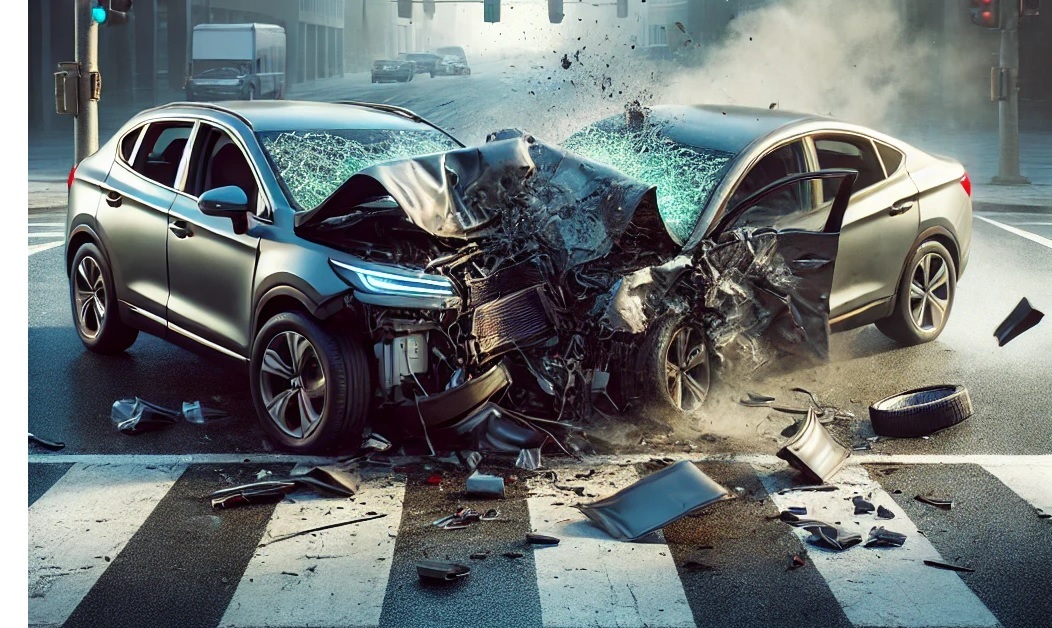
Kansas City, KS (November 10, 2026) – A 21-year-old man was injured Monday night, November 9, after his vehicle struck a wall along northbound Interstate 635 in Wyandotte County. According to the Kansas Highway Patrol (KHP), the accident occurred around 10:10 p.m. near mile marker 2.8, approximately 400 feet north of Swartz Road. Investigators reported that the driver attempted to change lanes to avoid another vehicle before colliding with the wall.
The crash involved a 2027 Honda Accord driven by a 21-year-old man from Topeka, Kansas. According to the preliminary report, the driver was traveling northbound on I-635 when he attempted a lane change to avoid another vehicle. During the maneuver, the Honda struck a wall along the highway.
The driver sustained suspected minor injuries in the collision. Emergency personnel transported him to Providence Medical Center for evaluation and treatment. The Kansas Highway Patrol reported that he was wearing a safety restraint at the time of the accident.
The Honda Accord was removed from the scene by All City Tow. The crash report did not provide a damage classification or indicate whether the vehicle was repairable. Authorities also did not report whether the collision caused temporary lane closures or traffic delays.
Although the driver attempted to avoid another vehicle, the preliminary report does not explain what prompted the maneuver. Investigators have not indicated whether the other vehicle changed lanes, slowed unexpectedly, or made another movement that caused the Honda driver to react. The report also does not establish whether the other motorist stopped following the collision.
The Kansas Highway Patrol classified the accident as an injury crash and confirmed that it was not recorded as a hit-and-run or police pursuit. No additional injuries were listed in the report. Authorities have not announced any citations or identified a specific traffic violation as contributing to the collision.
The accident remains documented under Kansas Highway Patrol case number KHP26OFF015174. Additional information may clarify the circumstances surrounding the attempted lane change and the Honda’s impact with the wall.
Understanding Your Rights After a Lane-Change Accident in Kansas City
Lane-change accidents can occur when drivers encounter unexpected traffic movements or attempt to avoid another vehicle. A sudden maneuver may cause a driver to lose control, particularly when the vehicle is traveling near a concrete barrier or other fixed object. Even when two vehicles do not make contact, another motorist’s actions may become relevant to determining how an accident occurred.
Kansas law requires drivers to exercise reasonable care when changing lanes and operating vehicles near other traffic. Investigators may examine whether a driver checked surrounding lanes, maintained an appropriate speed, and responded reasonably to the circumstances. However, a collision with a wall does not automatically establish that the injured driver was negligent.
When an accident involves an evasive maneuver, identifying the movements of nearby vehicles may be important. Witness statements, available camera footage, and physical evidence may help establish whether another motorist contributed to the crash. The availability of compensation depends on the evidence and applicable Kansas law.
Can Another Driver Be Responsible for an Accident Without Making Contact?
A motorist may potentially bear responsibility for an accident even when their vehicle does not physically strike another vehicle. For example, an unsafe lane change or other negligent maneuver may cause another driver to take evasive action and collide with a roadside barrier. However, the injured person must establish that the other driver’s conduct contributed to the accident.
These incidents can be difficult to investigate because the vehicles may never make contact. Physical damage alone may not establish what the other motorist did before the collision. Witness accounts, dashboard camera footage, and other evidence may become important when reconstructing the event.
An injured driver may also need to establish that the evasive maneuver was reasonable under the circumstances. Investigators may consider traffic conditions, vehicle positions, and the time available to react. The fact that a driver swerved to avoid another vehicle does not automatically establish fault by either motorist.
In the November 9 Kansas City accident, the Honda driver attempted to change lanes to avoid another vehicle before striking a wall. The Kansas Highway Patrol did not describe the other vehicle’s movements or establish that its driver violated a traffic law. Additional evidence would be necessary to determine whether another motorist contributed to the collision.
What Does Kansas Law Say About Changing Lanes?
Kansas Statutes Annotated § 8-1522 addresses lane usage on roadways divided into marked lanes. Generally, drivers must operate their vehicles within a single lane and may not move from that lane until they have determined that the movement can be made safely. These requirements are intended to reduce conflicts between vehicles traveling near one another.
Drivers must also consider surrounding traffic before changing lanes. Blind spots, vehicle speeds, and the distance between vehicles can affect whether a maneuver is safe. A driver who changes lanes without sufficient clearance may create a dangerous situation for nearby motorists.
However, the circumstances of an emergency maneuver may differ from an ordinary lane change. A driver who reacts to an unexpected hazard may have limited time to evaluate available options. Whether the response was reasonable depends on the circumstances and the evidence.
In the I-635 collision, the Honda driver attempted to change lanes to avoid another vehicle. The preliminary report does not explain how much time he had to react or whether another driver created an immediate hazard. Investigators have not established that the lane change violated Kansas law.
Why Are Collisions With Highway Walls Dangerous?
Highway walls and concrete barriers are designed to separate traffic from hazards and help manage certain types of vehicle impacts. However, striking a fixed barrier can still cause substantial damage and injuries. The severity depends on the vehicle’s speed, angle of impact, and other circumstances.
A vehicle that strikes a barrier may experience a sudden change in direction or speed. Occupants can be subjected to significant forces even when the collision does not involve another vehicle. Depending on the circumstances, the vehicle may also rotate or move into another traffic lane.
Potential injuries include head injuries, neck and back injuries, fractures, and soft tissue damage. Some symptoms may not become apparent until after the initial collision. Medical evaluation can help identify injuries and determine whether additional treatment is necessary.
In the November 9 Kansas City accident, the Honda struck a wall after the driver attempted to avoid another vehicle. The driver sustained suspected minor injuries and was transported to Providence Medical Center. The report does not describe the angle of impact or provide details about the vehicle’s damage.
How Do Investigators Determine What Caused an Evasive-Maneuver Crash?
Investigators may examine roadway evidence, vehicle damage, and the final resting position of the vehicle to determine how a collision occurred. Tire marks and debris may help establish whether the driver braked or changed direction before impact. These details can become important when reconstructing an evasive maneuver.
Witness statements may provide information about nearby vehicles and their movements. Available traffic cameras or dashboard camera recordings may also help identify whether another motorist contributed to the collision. However, the absence of recorded footage does not automatically establish that the injured driver’s account is inaccurate.
Investigators may also examine roadway conditions, visibility, and traffic patterns. These factors can affect how much time a driver has to recognize a hazard and respond. The evidence must support any determination concerning the cause of the accident.
In the I-635 collision, the Kansas Highway Patrol reported that the Honda driver attempted a lane change to avoid another vehicle. The report does not provide further details about the other motorist. Additional investigative findings may clarify the events preceding the impact.
Can an Injured Driver Seek Compensation After a Single-Vehicle Crash?
An injured driver may have grounds to pursue compensation after a single-vehicle collision when another party’s negligence contributed to the accident. The absence of direct contact between vehicles does not necessarily eliminate the possibility of a claim. However, the injured person must establish the applicable legal requirements.
Potential damages may include medical expenses, lost wages, rehabilitation costs, and pain and suffering. The amount recoverable depends on the injuries, available evidence, and applicable insurance coverage. Even injuries initially classified as minor may require medical evaluation and follow-up care.
Insurance coverage may also become important when another motorist is unidentified or when responsibility is disputed. However, the availability of benefits depends on the policy terms and applicable Kansas law. A single-vehicle collision does not automatically qualify for uninsured motorist benefits.
In the November 9 accident, the Honda driver sustained suspected minor injuries and was transported to a hospital. The preliminary report identifies another vehicle as the reason for the attempted lane change but does not establish that its driver was negligent. The injured driver’s potential legal options would depend on additional evidence.
How Does Kansas’ Comparative Fault Law Affect Accident Claims?
Kansas follows a modified comparative fault system under K.S.A. § 60-258a. Under this system, an injured person’s compensation may be reduced according to their percentage of responsibility for an accident. A claimant who is found 50% or more responsible generally cannot recover damages from other parties under the comparative fault statute.
Comparative fault may become relevant when multiple drivers’ actions contributed to a collision. For example, investigators may examine whether one driver made an unsafe maneuver while another driver reacted in a way that contributed to the accident. The outcome depends on the evidence concerning each person’s conduct.
A driver who encounters a sudden hazard may have limited time to react. Kansas law recognizes that the reasonableness of a person’s conduct must be evaluated under the circumstances. However, the existence of an emergency does not automatically eliminate responsibility for an unsafe response.
In the November 9 I-635 accident, the report does not assign fault to either the Honda driver or the other motorist. It also does not describe the other vehicle’s movements before the lane-change attempt. The available information does not support assigning percentages of responsibility.
What Insurance Coverage May Apply After a Highway Barrier Collision?
Kansas requires automobile liability insurance, personal injury protection benefits, and uninsured/underinsured motorist coverage, subject to applicable statutory requirements. Personal injury protection coverage may provide certain benefits for qualifying medical expenses and other losses regardless of fault. The amount available depends on the policy and Kansas law.
Liability insurance may provide compensation when another driver is legally responsible for an accident. However, determining responsibility can be difficult when the vehicles do not make contact. Evidence concerning the other driver’s conduct may become important when evaluating a claim.
Uninsured motorist coverage may become relevant in some accidents involving unidentified or uninsured drivers. However, Kansas policies and legal requirements may impose specific conditions on coverage, particularly when there is no physical contact between vehicles. Coverage should not be assumed without reviewing the applicable policy.
In the November 9 collision, the Kansas Highway Patrol report listed the Honda driver’s insurance status as “no.” This does not establish whether another policy or source of benefits may apply. Additional verification would be necessary before determining available insurance coverage.
What Should You Do After Receiving Medical Care for a Highway Accident?
After receiving medical treatment, injured motorists should retain their discharge instructions, medical bills, and follow-up appointment records. These documents can help establish the injuries sustained and the treatment provided. Following medical recommendations may also help identify symptoms that require additional attention.
Obtaining the official crash report can provide information about the accident location, investigating agency, and preliminary findings. Photographs of the vehicle and roadway may also be useful when available. If another motorist contributed to the collision, witness statements or camera recordings may help establish what occurred.
Injured drivers should also retain insurance correspondence, claim numbers, and repair or towing records. These documents may become important when evaluating medical expenses and property damage. Insurance companies may request information about the collision before determining coverage.
In the November 9 Kansas City accident, the Honda was removed by All City Tow, and the driver was transported to Providence Medical Center. The Kansas Highway Patrol documented the collision under case number KHP26OFF015174. These records may provide a starting point for reviewing the accident and any potential claims.
How Long Do Injured Drivers Have to File a Lawsuit in Kansas?
Kansas generally provides two years to file personal injury lawsuits under K.S.A. § 60-513. The limitation period ordinarily begins when the cause of action accrues, although certain exceptions may apply. Different types of claims may involve separate filing requirements.
Claims involving governmental entities may require additional notice procedures. Insurance policies may also establish reporting obligations that differ from the deadline for filing a lawsuit. Understanding the applicable requirements can help injured individuals evaluate their options.
Preserving evidence may become more difficult as time passes. Surveillance footage may be overwritten, damaged vehicles may be repaired, and witness memories may fade. Obtaining relevant records can therefore be important when determining how an accident occurred.
In the November 9 I-635 collision, the Kansas Highway Patrol documented an injured driver and a Honda Accord that struck a highway wall. The availability of a personal injury claim would depend on evidence establishing another party’s negligence. The preliminary report does not resolve that question.
PLEASE TAKE NOTICE
This article is based on Kansas Highway Patrol crash report KHP26OFF015174 concerning an injury collision on November 9, 2026. The accident occurred around 10:10 p.m. on northbound Interstate 635 near mile marker 2.8, approximately 400 feet north of Swartz Road in Wyandotte County. A Honda Accord struck a highway wall after its driver attempted to change lanes to avoid another vehicle.
- Driver injured: A 21-year-old man from Topeka sustained suspected minor injuries in the collision. Emergency personnel transported him to Providence Medical Center for evaluation and treatment.
- Vehicle involved: The accident involved a 2027 Honda Accord traveling northbound on I-635. The vehicle struck a wall after the driver attempted to change lanes to avoid another motorist.
- Crash location and time: The collision occurred around 10:10 p.m. Monday near mile marker 2.8, approximately 400 feet north of Swartz Road. The Kansas Highway Patrol classified the incident as an injury crash.
- Vehicle towed: All City Tow removed the Honda Accord from the accident scene. The preliminary report did not provide a damage classification or indicate whether the vehicle was repairable.
- Other vehicle mentioned: Investigators reported that the Honda driver attempted to avoid another vehicle before striking the wall. The report does not describe the other vehicle’s movements or establish whether its driver contributed to the collision.
- Investigation documented: The Kansas Highway Patrol recorded the accident under case number KHP26OFF015174. Readers can review our frequently asked questions in Kansas and accident resources in Kansas for additional information about accident-related claims.
This article is intended for informational purposes only and does not constitute legal or medical advice. Information reflects the available Kansas Highway Patrol report and may change if authorities release additional findings. The report identifies an attempted lane change before the collision but does not establish whether another driver acted negligently or resolve every question concerning responsibility. Please review our disclaimer for further details.
Highway accidents involving evasive maneuvers can leave injured motorists facing medical expenses, vehicle damage, and questions about responsibility. Kansas law establishes specific requirements for personal injury claims, comparative fault, insurance coverage, and filing deadlines. A Kansas personal injury lawyer can review the available evidence, explain applicable legal requirements, and discuss whether an injured driver may have grounds to pursue compensation when another motorist’s negligence contributes to a collision.