 By Crash News Writer
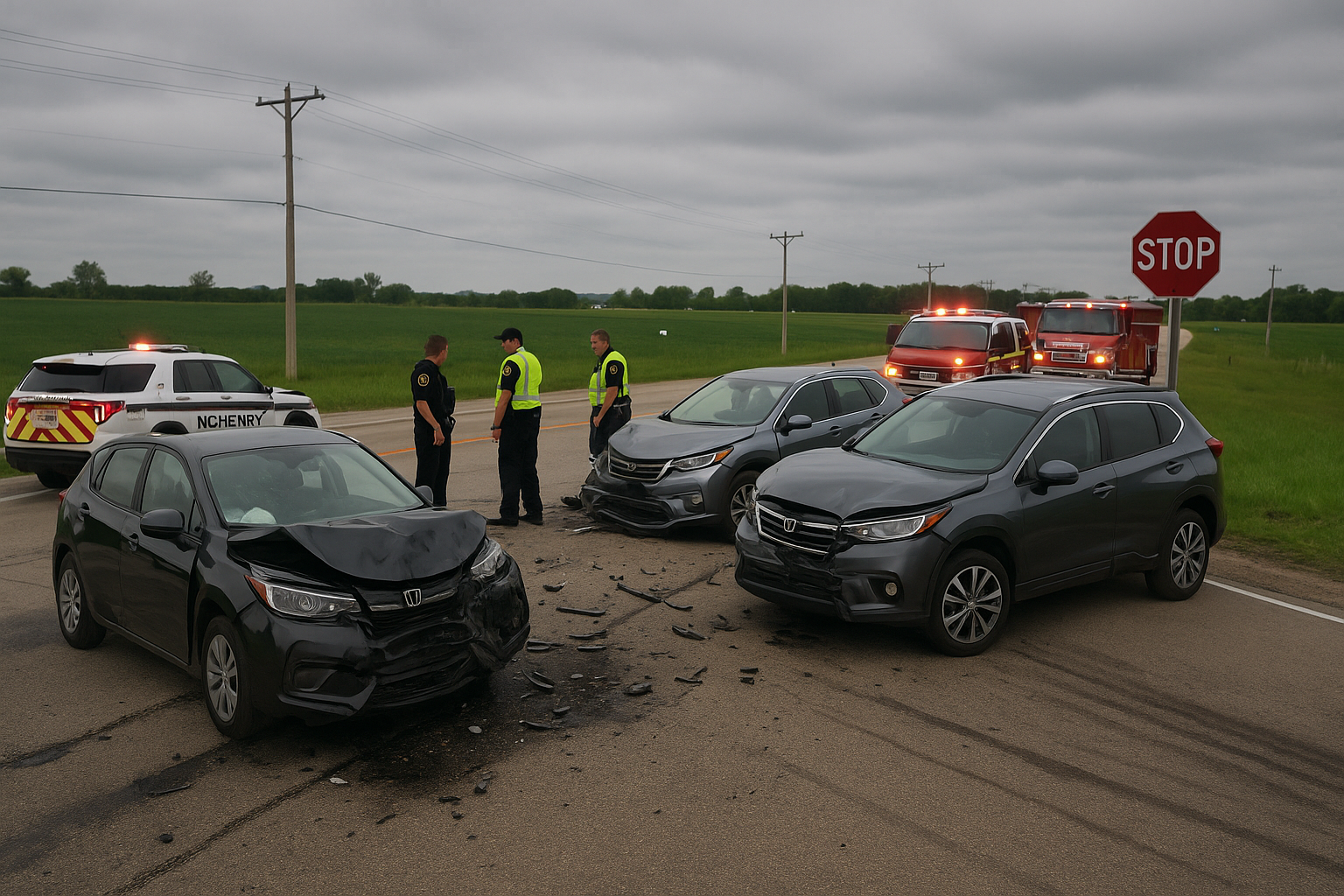
San Antonio, FL (November 12, 2026) – An injury accident was reported early Thursday morning, November 12, on northbound Interstate 75 near mile marker 284 in San Antonio, Pasco County. According to incident information published by Florida Crash Watch, the collision was reported at approximately 12:56 a.m. EST and was associated with a roadway blockage.
The incident was classified as a vehicle crash involving injuries. The report identified the location as northbound I-75 at mile marker 284, although it did not specify the exact position of the vehicles or which travel lanes were affected.
Emergency dispatch was recorded at approximately 1:03 a.m., seven minutes after the initial report was received. Responding personnel were recorded as arriving at the accident location at approximately 1:37 a.m.
At 1:40 a.m., an update changed the reported traffic impact from “Roadway clear” to “Roadway blocked.” The update indicated that the roadway was listed as blocked at that time, although the available information did not explain what prompted the change.
Authorities did not provide an estimated reopening time or confirm how long the blockage lasted. The report also did not establish whether all northbound lanes were closed or whether traffic could continue through part of the affected roadway.
The accident occurred during the early morning hours, when motorists traveling along I-75 may encounter reduced visibility and different traffic conditions than during the daytime. However, investigators have not identified darkness, weather, or roadway conditions as contributing factors in this collision.
The initial report did not specify how many vehicles were involved or identify their makes and models. It also did not explain whether the collision involved a rear-end impact, lane departure, rollover, or another type of accident.
Although the incident was classified as a crash involving injuries, the number of injured people was not provided. Officials did not release information about the severity of the injuries or whether anyone required ambulance transportation.
The report did not identify the drivers or passengers involved. Authorities also did not provide information about citations, criminal charges, or any suspected traffic violations.
Florida Crash Watch’s archive identified two other qualifying crash reports within approximately one mile of the reported location during the preceding 90 days. The archive comparison covered August 14 through November 12, 2026, and included one earlier report involving injuries and one report associated with a roadblock.
The most recent earlier incident was an injury accident reported on McKendree Road in San Antonio on November 7 at approximately 11:09 p.m. Its mapped location was approximately 0.9 miles from the November 12 I-75 crash.
These archived reports provide information about other incidents in the surrounding area, but they do not establish that the accidents shared a common cause. The available records also do not provide enough information to determine whether the location has an unusually high crash rate.
The November 12 collision was recorded under CAD reference RCC26IN0843970. Additional details about the cause of the accident, the number of people injured, and the duration of the roadway blockage were not available in the initial report.
Why Are Early-Morning Injury Accidents on Florida’s I-75 Dangerous?
Early-morning highway accidents can create serious risks because drivers may encounter reduced visibility, fatigue, and unexpected roadway hazards. These conditions can make it more difficult to recognize slowing traffic or disabled vehicles.
Interstate 75 is a major highway used by passenger vehicles, commercial trucks, and other motorists traveling through Florida. Collisions on interstate highways can involve substantial forces, particularly when vehicles are moving at higher speeds.
An accident that blocks a travel lane can create additional hazards for approaching motorists. Drivers may need to slow suddenly, change lanes, or stop when traffic begins backing up behind the crash scene.
Emergency responders may also face risks while assisting injured people and working near moving traffic. Roadway closures can provide space for medical care, vehicle removal, and accident investigation.
However, the fact that an accident occurred at night does not establish that darkness or fatigue caused it. Investigators must examine the specific circumstances before identifying contributing factors.
In the November 12 Pasco County accident, the incident was reported at 12:56 a.m. on northbound I-75 near mile marker 284. The available report confirmed injuries and a roadway blockage but did not identify the cause of the collision.
What Does Florida Law Require Drivers to Do on Interstate Highways?
Florida law requires motorists to follow applicable traffic regulations and exercise reasonable care while operating their vehicles. Drivers must remain attentive to surrounding traffic and respond appropriately to changing roadway conditions.
Under Florida Statutes § 316.183, motorists must not drive at a speed greater than is reasonable and prudent under existing conditions. Drivers must also reduce speed when necessary to avoid collisions and comply with applicable statutory requirements.
Florida law establishes additional rules concerning lane usage, following distances, and vehicle movements. These requirements can become particularly important when traffic slows near an accident scene.
Investigators may examine whether drivers maintained appropriate speeds, obeyed traffic laws, and responded reasonably to surrounding vehicles. A traffic violation may become relevant when determining whether negligence contributed to a collision.
In the November 12 San Antonio accident, authorities have not reported that any driver violated a traffic law. The initial report did not establish what caused the collision.
Can Driver Fatigue Contribute to Early-Morning Highway Accidents?
Driver fatigue can reduce alertness, slow reaction times, and interfere with a motorist’s ability to recognize roadway hazards. Fatigue may become a concern when drivers travel late at night or during hours when they would normally be sleeping.
A tired driver may have difficulty maintaining attention, judging distances, or responding to changing traffic conditions. Severe fatigue can also increase the risk of a driver briefly falling asleep while operating a vehicle.
Investigators may examine driving history, witness statements, and other available evidence when determining whether fatigue contributed to an accident. However, fatigue can be difficult to establish without supporting information.
Drivers who experience significant drowsiness should seek a safe place to stop rather than continue operating a vehicle while impaired by fatigue. Adequate rest is an important part of reducing fatigue-related driving risks.
In the November 12 I-75 accident, the collision was reported shortly before 1 a.m. Authorities have not identified driver fatigue as a contributing factor.
Why Do Highway Accidents Sometimes Cause Road Closures?
Highway accidents may require temporary lane or roadway closures when damaged vehicles, debris, or emergency operations create hazards for approaching motorists. The extent of a closure depends on the circumstances.
Emergency personnel may need space to evaluate injured individuals, arrange ambulance transportation, and remove vehicles from the roadway. Police may also restrict traffic while documenting the accident scene.
A collision involving injuries can require additional time for medical care and investigation. Vehicle recovery may also become more difficult when damaged vehicles cannot be driven away.
Traffic restrictions may change as emergency crews assess the scene and determine which lanes can safely reopen. An incident initially listed as clear may later be classified as blocked if new information becomes available.
In the November 12 Pasco County accident, an update recorded at 1:40 a.m. changed the traffic impact from “Roadway clear” to “Roadway blocked.” The available report did not explain why the classification changed or when the roadway reopened.
What Injuries Can Occur in Interstate Highway Accidents?
Interstate highway collisions can cause a range of injuries depending on the speed, direction, and force of the impact. Some occupants may sustain relatively minor injuries, while others experience serious trauma.
Potential injuries include concussions, traumatic brain injuries, neck and back injuries, fractures, internal bleeding, and spinal injuries. The severity may also depend on seating position, restraint use, and vehicle damage.
Certain injuries may not be immediately apparent after a collision. Symptoms involving the neck, back, or head can sometimes become more noticeable after the initial accident.
Medical evaluations can help identify injuries and determine whether additional treatment is necessary. Medical records may also document the effects of a collision and the care provided.
In the November 12 San Antonio accident, the incident was classified as a vehicle crash involving injuries. Authorities have not released the number of injured people or described their medical conditions.
Can Distracted Driving Contribute to Interstate Accidents?
Distracted driving can interfere with a motorist’s ability to recognize slowing traffic, surrounding vehicles, and unexpected roadway hazards. Distractions may involve mobile devices, vehicle controls, passengers, or other activities.
At highway speeds, even a brief lapse in attention can reduce the distance available to respond to a developing hazard. A driver may fail to recognize a stopped vehicle or changing traffic conditions until a collision becomes difficult to avoid.
Florida restricts certain forms of wireless communication device use while driving under Florida Statutes § 316.305. Other forms of distraction may also become relevant when evaluating negligence.
Investigators may examine witness statements, available video footage, and other evidence when determining whether distracted driving contributed to a collision.
In the November 12 Pasco County accident, authorities have not identified distraction as a contributing factor. The available report did not explain how the accident occurred.
How Do Investigators Determine Fault in a Highway Accident?
Determining fault in a highway accident requires examining the actions of the drivers involved and the circumstances leading to the collision. Investigators must establish how the vehicles were traveling before the impact.
Police may review vehicle damage, roadway evidence, witness statements, and available video recordings. Accident reconstruction may help establish the sequence of events.
Investigators may also consider whether drivers maintained proper lane positions, followed at safe distances, and operated at appropriate speeds. Mechanical problems or unexpected roadway hazards may also become relevant.
The presence of injuries or a roadway blockage does not automatically establish that a driver was negligent. Responsibility depends on evidence showing whether a party failed to exercise reasonable care.
In the November 12 San Antonio accident, the initial report did not identify the vehicles involved or describe the collision sequence. Authorities have not released a determination of fault.
Can Injured Drivers Recover Compensation After a Florida Highway Accident?
People injured in Florida motor vehicle accidents may have legal options when another party’s negligence causes their injuries. Potential damages may include qualifying medical expenses, lost income, rehabilitation costs, and pain and suffering.
Florida’s no-fault insurance system generally requires qualifying motorists to carry personal injury protection coverage. Certain benefits may be available regardless of fault, subject to statutory requirements and policy terms.
Additional claims against an at-fault party may be available when the applicable legal requirements are satisfied. The availability of compensation depends on the injuries, insurance coverage, and circumstances.
Accident reports, medical records, and witness statements may help establish how a collision occurred and document the resulting losses. Insurance information may also be important when evaluating available coverage.
In the November 12 Pasco County accident, the report confirmed that injuries were involved but did not identify the injured individuals. Any potential civil claims would depend on additional evidence.
What Is Florida’s Modified Comparative Negligence Rule?
Florida generally follows a modified comparative negligence system under Florida Statutes § 768.81. In negligence actions covered by the statute, a claimant whose percentage of fault exceeds 50% is generally barred from recovering damages, subject to statutory exceptions.
When a claimant is partially responsible for an accident but does not exceed the applicable threshold, recoverable damages may be reduced according to the assigned percentage of fault.
In highway accidents, investigators may examine whether more than one driver contributed to the collision. The allocation of responsibility depends on the evidence and applicable legal standards.
The fact that an accident occurred during the early morning does not establish that either driver was negligent. Investigators must consider the specific circumstances.
In the November 12 I-75 collision, authorities have not determined fault or identified the cause of the accident. Any potential civil claims would depend on additional findings.
What Evidence Is Important After an Interstate Injury Accident?
Evidence can help investigators determine how an interstate accident occurred and whether negligent conduct contributed. Photographs of vehicle damage, roadway markings, debris, and final vehicle positions may provide important information.
Witness statements can help establish the vehicles’ movements before the impact. Available dash camera footage and traffic surveillance recordings may also clarify the sequence of events.
Investigators may examine electronic vehicle data, when available, to determine speed, braking, and other activity. Vehicle inspections may also help identify mechanical conditions relevant to the collision.
Medical records can document the injuries sustained and the treatment provided. Insurance communications and accident reports may also become important when evaluating a potential claim.
In the November 12 Pasco County accident, the available report included a CAD reference and emergency response times. Authorities have not released a detailed accident reconstruction or identified the vehicles involved.
How Long Do Injured Drivers Have to File a Lawsuit in Florida?
Florida generally provides two years to file negligence-based personal injury lawsuits arising from accidents occurring after March 24, 2023, under Florida Statutes § 95.11, subject to applicable exceptions.
Different limitation periods may apply to other types of claims. Insurance policies may also establish reporting obligations that differ from court filing deadlines.
Florida’s personal injury protection requirements may affect medical billing and insurance benefits following a motor vehicle accident. Eligibility for certain benefits depends on statutory requirements and the applicable policy.
Injured individuals may need to preserve accident reports, medical records, insurance communications, and other evidence while evaluating their legal options.
In the November 12 San Antonio accident, the incident was classified as a crash involving injuries. Any potential legal claims would depend on the circumstances and applicable Florida law.
Emergency Crews Respond to Northbound I-75 Crash in Pasco County
An injury accident was reported on northbound Interstate 75 near mile marker 284 in San Antonio, Pasco County, at approximately 12:56 a.m. on November 12. The incident was recorded under CAD reference RCC26IN0843970.
Emergency dispatch was recorded at 1:03 a.m., and responding personnel were recorded as arriving at approximately 1:37 a.m. A subsequent update at 1:40 a.m. listed the roadway as blocked.
The initial report did not identify the vehicles involved or explain how the collision occurred. Authorities also did not provide information about the number of injured individuals or their medical conditions.
The duration of the roadway blockage was not specified. The available report did not establish whether all northbound lanes were closed or when normal traffic operations resumed.
Florida Crash Watch’s archive identified two other qualifying reports within approximately one mile of the location during the preceding 90 days. However, those records do not establish a connection between the earlier incidents and the November 12 accident.
People injured in interstate highway accidents may have questions about medical expenses, insurance coverage, lost income, and their legal rights. A Florida car accident attorney can review the available evidence, explain applicable negligence and insurance laws, and help injured individuals determine whether a civil claim may be available.
PLEASE TAKE NOTICE
This report is based on incident information published by Florida Crash Watch concerning the November 12 injury accident on northbound I-75 near mile marker 284 in Pasco County. Details may change as additional information becomes available.
- Crash location: The accident was reported at approximately 12:56 a.m. EST on November 12 on northbound Interstate 75 near mile marker 284 in San Antonio, Pasco County. The incident was classified as a vehicle crash involving injuries.
- Emergency response: Dispatch was recorded at 1:03 a.m., and arrival was recorded at 1:37 a.m. The report did not identify the responding agencies or provide details about the medical treatment of those involved.
- Roadway impact: An update at 1:40 a.m. changed the traffic impact from “Roadway clear” to “Roadway blocked.” The available information did not specify which lanes were affected or when the blockage ended.
- Incident reference and nearby reports: The accident was recorded under CAD reference RCC26IN0843970. The Florida Crash Watch archive identified two other qualifying reports within approximately one mile during the preceding 90 days, but the records do not establish a shared cause.
Readers seeking additional information about highway safety and traffic conditions can review the Florida Highway Patrol, FL511, and the National Highway Traffic Safety Administration. These resources provide information about traffic safety, roadway conditions, and measures intended to reduce serious motor vehicle injuries.
This article is intended for general informational purposes and does not constitute legal or medical advice. The information reflects the available incident report at the time of publication and may change as additional details emerge. Anyone affected by a similar accident should consider seeking guidance based on their individual circumstances. The publisher assumes no liability for actions taken or not taken based on this article.