 By Samuel Cenito | Accident News Writer
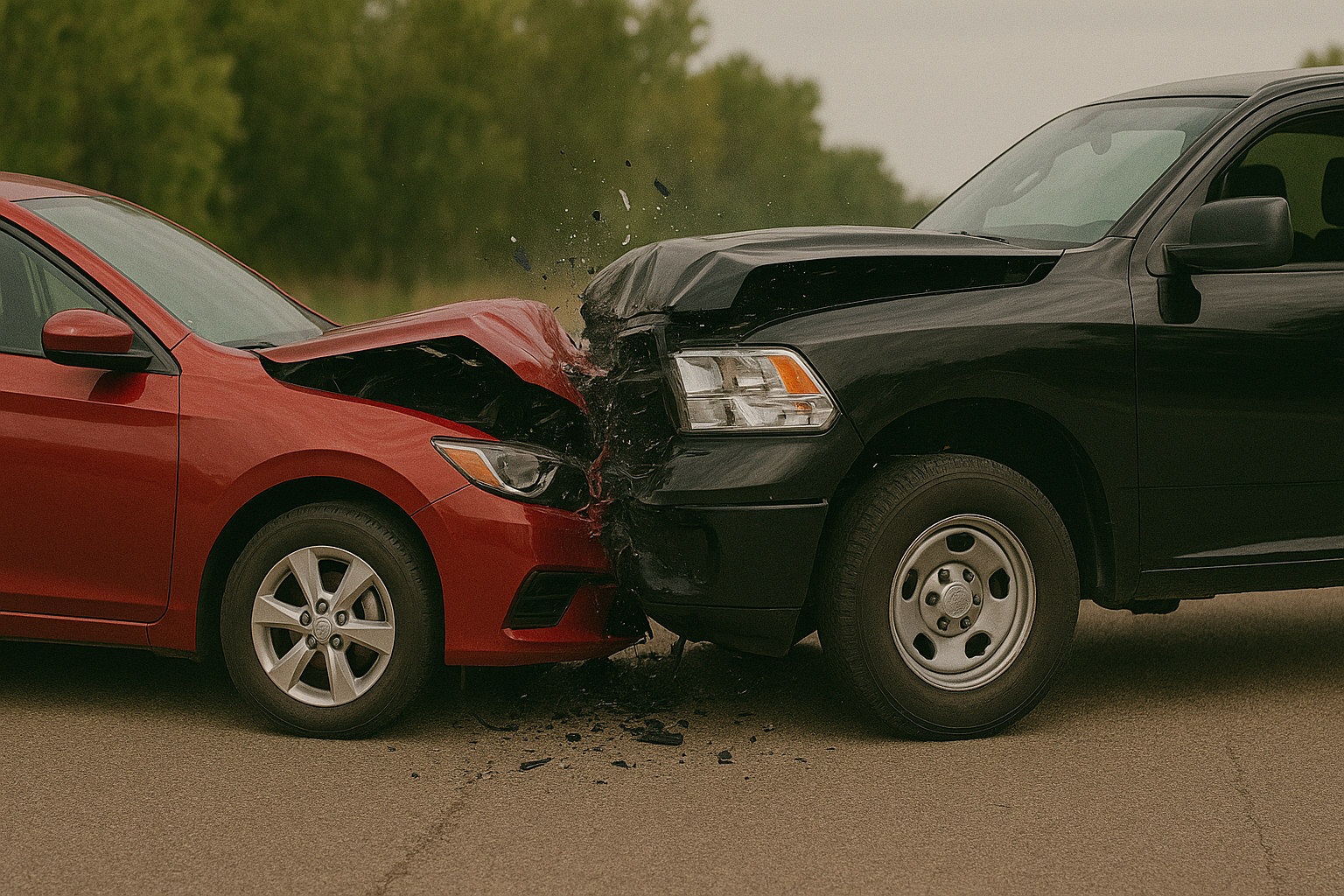
Houston, TX (November 23, 2026) – One person lost their life Sunday morning, November 22, following a serious motor vehicle accident near Houston’s Sharpstown area. According to the Houston Police Department, the collision occurred near the intersection of Bellaire Boulevard and Larkwood Drive, where officers initially responded to reports of a vehicle fire.
Police received the emergency call at approximately 5:45 a.m. When officers arrived at the intersection, they discovered that the incident involved a major motor vehicle accident rather than simply a reported car fire.
Investigators found one person dead at the scene. Preliminary information indicated that the individual had been ejected from a vehicle during the collision.
Authorities have not released the victim’s identity, age, or other identifying information. Officials also have not confirmed whether the deceased person was driving or riding as a passenger when the accident occurred.
The circumstances leading to the collision remain unclear. Investigators have not disclosed how many vehicles were involved, which direction the vehicle was traveling, or what happened immediately before the crash.
Although the initial emergency call involved a reported vehicle fire, police have not confirmed whether a vehicle actually caught fire. The report also does not establish whether fire played any role in the fatal injuries.
Authorities have not indicated whether speed, impairment, roadway conditions, or another factor contributed to the accident. No information about additional injuries or other individuals involved was immediately available.
The Houston Police Department continues to investigate the collision. Additional details may become available as investigators examine the scene and determine what caused the fatal accident.
We extend our deepest condolences to the family and loved ones of the person who lost their life.
Protect Your Rights After a Fatal Car Accident Today
Fatal motor vehicle accidents can leave families facing difficult questions about how a collision occurred and whether another person’s actions contributed to the loss of life. When an occupant is ejected from a vehicle, investigators may need to examine several factors to understand the sequence of events and the circumstances surrounding the fatal injuries.
Vehicle ejections can occur during severe collisions, rollovers, or other incidents involving substantial forces. Occupants who are thrown from vehicles face a high risk of serious injuries because they may strike the roadway, nearby objects, or other vehicles.
The fact that someone was ejected does not automatically establish whether the person was wearing a seat belt. Investigators may examine restraint systems, vehicle damage, and other physical evidence to determine how the ejection occurred.
In the November 22 Houston accident, police reported that a person was found dead after apparently being ejected from a vehicle near Bellaire Boulevard and Larkwood Drive. However, the available information does not establish what caused the collision or whether another driver was involved.
Under Texas law, motorists must exercise reasonable care when operating their vehicles. Drivers are expected to obey traffic signals, maintain control of their vehicles, and adjust their driving to account for roadway and traffic conditions.
When a fatal accident occurs near an intersection, investigators may examine traffic signals, roadway markings, vehicle damage, and witness statements. These materials can help establish the direction of travel and determine whether a traffic violation contributed to the collision.
Authorities may also examine the vehicle’s mechanical condition and available electronic data. Depending on the circumstances, this information can help investigators determine whether braking, steering, or other vehicle systems were involved in the accident.
Nearby surveillance cameras and dashboard cameras may provide additional evidence. Footage from businesses, residences, or passing vehicles can sometimes help reconstruct the events immediately before a collision.
However, the existence of a fatal accident does not automatically establish negligence. A determination of responsibility requires evidence showing that another party failed to exercise reasonable care and that the failure contributed to the injuries or death.
Texas follows a modified comparative negligence system. Under this rule, an injured person may generally pursue compensation when their share of responsibility is no greater than 50%. Any recovery may be reduced according to the percentage of fault assigned.
When another party’s negligence causes a fatal collision, eligible surviving family members may have grounds to pursue a wrongful death claim. Texas law generally allows qualifying spouses, children, and parents to bring these actions under the applicable requirements.
Wrongful death damages may include compensation for qualifying lost financial support, loss of companionship, mental anguish, and other recognized losses. The availability of compensation depends on the circumstances of the accident and the evidence establishing liability.
A separate survival claim may also be available through the deceased person’s estate for certain damages incurred before death. These claims have different legal requirements from wrongful death actions and depend on the specific circumstances.
If an investigation reveals that a vehicle defect contributed to an occupant’s ejection or injuries, additional legal questions may arise concerning the vehicle or its safety systems. However, there is no information indicating that a mechanical defect contributed to the November 22 Houston accident.
Texas generally requires wrongful death and personal injury lawsuits arising from motor vehicle accidents to be filed within two years. Certain exceptions and special requirements may apply, depending on the circumstances.
Families affected by fatal accidents may benefit from obtaining the official police report, preserving photographs of the vehicle and accident scene, and maintaining records of funeral expenses and other financial losses.
When the cause of a collision remains unknown, preserving physical evidence can be especially important. Vehicle inspection records, witness information, and available video footage may help clarify what happened and whether another party bears legal responsibility.
For additional information, readers can review our resources for accident victims and families in Texas and frequently asked questions in Texas. These resources address common concerns involving accident investigations, insurance coverage, and legal options following fatal motor vehicle collisions.
PLEASE TAKE NOTICE
This article reflects available information concerning the November 22 fatal accident near Bellaire Boulevard and Larkwood Drive in Houston, Texas.
- The accident occurred Sunday morning, November 22, 2026.
- Houston police received an emergency call at approximately 5:45 a.m.
- The incident happened near Bellaire Boulevard and Larkwood Drive in the Sharpstown area.
- The initial call described a possible vehicle fire.
- Responding officers determined that the incident involved a major motor vehicle accident.
- One person was found dead at the scene.
- Preliminary information indicated that the person had been ejected from a vehicle.
- Authorities have not released the deceased person’s identity.
- The number of vehicles involved has not been confirmed.
- Police have not established whether a vehicle fire occurred.
- The cause of the accident remains under investigation.
This article is intended for informational purposes only and does not constitute legal or medical advice. Information reflects publicly available reports at the time of publication and may change as investigators release additional findings. Readers should consult a qualified attorney regarding their individual circumstances. Please review our disclaimer for further details.
If you lost a loved one in a motor vehicle accident in Houston or elsewhere in Harris County, a Texas personal injury lawyer can help review the circumstances of the collision, investigate potential liability, and explain your family’s legal options for pursuing compensation.