 By Crash News Writer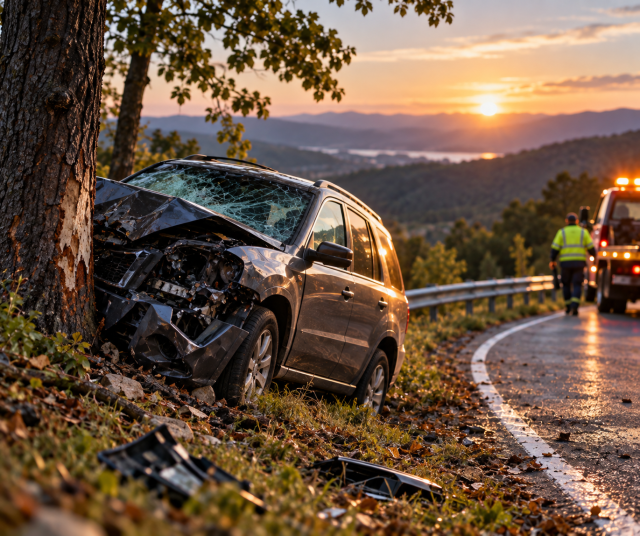
When you hear about a car crash, you may picture two vehicles colliding. However, many serious crashes involve only one vehicle. A single-vehicle accident can happen when a driver hits a tree, guardrail, utility pole, barrier, animal, or another fixed object. It can also happen when a vehicle rolls over or runs off the road.
If you or someone you love has been involved in this type of crash, you may wonder what caused it and who could be responsible. You might also have questions about insurance, medical bills, vehicle damage, and what you should do next.
The answers are not always simple. Even when only one vehicle is involved, another person, company, dangerous road condition, or defective vehicle component could potentially play a role.
What Is a Single-Vehicle Accident?
A single-vehicle accident is generally a collision involving only one motor vehicle. The vehicle may leave the roadway, overturn, strike an object, or crash while trying to avoid a hazard.
These accidents can range from relatively minor incidents to devastating collisions. Speed, road conditions, the object struck, vehicle design, and whether occupants were wearing seat belts can all affect the outcome.
Do not automatically assume that the driver must be legally responsible simply because no second vehicle crashed into them. Determining what happened may require examining the circumstances leading up to the collision.
Common Causes of a Single-Vehicle Accident
There are many reasons a single-vehicle accident can occur. Driver mistakes are one possibility, but they are far from the only explanation.
Speeding can make it harder to control a vehicle around curves or when an unexpected hazard appears. Distracted driving, fatigue, impairment, and aggressive driving can also contribute to crashes.
Weather is another factor. Heavy rain, snow, ice, fog, or standing water can reduce visibility and traction. A driver may lose control even faster when poor weather is combined with excessive speed.
Road hazards can also matter. Large potholes, debris, missing signs, dangerous construction zones, poor lighting, or other roadway problems may contribute to a driver losing control.
Vehicle problems can be another possible cause. Tire failures, steering problems, brake failures, or other mechanical defects may contribute to a crash in some situations.
What Should You Do Immediately After the Crash?
Safety should be your first concern after a single-vehicle accident. If you can safely do so, stop the vehicle and assess whether you or your passengers are injured.
Call 911 when someone is injured, there is an immediate danger, or emergency assistance is needed. Follow the dispatcher’s instructions and avoid unnecessary movement if you believe someone may have suffered a serious head, neck, or spinal injury.
If the location is dangerous, remain aware of passing traffic, leaking fluids, fire, and other hazards. Move to a safer location when appropriate and when doing so will not create additional danger.
You should also follow the accident-reporting requirements in the state where the collision occurred. These rules can differ depending on injuries, property damage, and other circumstances.
Can Someone Else Cause a One-Car Crash?
A single-vehicle accident does not necessarily mean only one party was involved in causing it. Imagine that another driver suddenly enters your lane, forcing you to swerve off the road. Your vehicle may hit a barrier even though the other vehicle never makes physical contact.
In another situation, debris may have been improperly secured on a commercial truck and fallen into the road. A driver could lose control while trying to avoid it.
Dangerous road conditions may also raise questions about whether a government agency, contractor, property owner, or another party had responsibilities related to the roadway. These cases can be complicated, particularly when government entities are involved because special notice requirements or legal protections may apply.
This is why investigating the events leading up to the crash can be so important.
How Road and Weather Conditions Can Affect a Crash
Weather can dramatically change driving conditions. Rain may reduce traction, while snow and ice can make stopping and turning more difficult. Fog can make hazards difficult to see until a driver is already close to them.
The Federal Highway Administration provides information about how weather can affect roads, traffic flow, visibility, vehicle performance, and driver behavior.
Drivers generally have a responsibility to adjust their driving to existing conditions. However, the presence of bad weather does not automatically explain every single-vehicle accident.
Investigators may consider speed, tire condition, visibility, roadway design, maintenance, driver actions, and other factors when trying to determine why a crash happened.
Vehicle Defects and Mechanical Problems
Sometimes a single-vehicle accident may involve a mechanical failure rather than a simple driving mistake. A tire could fail, a steering component could malfunction, or another critical part could stop working correctly.
When you suspect a vehicle problem contributed to the crash, preserving evidence can become particularly important. Repairing, selling, or disposing of a damaged vehicle too quickly could make it harder to determine whether a component failed.
Depending on the circumstances, investigators may examine maintenance records, recalls, damaged parts, electronic vehicle data, photographs, and the vehicle itself.
Potential responsibility could involve a manufacturer, parts company, repair facility, or another party. These cases are highly fact-specific and may require technical experts to determine what happened.
Does Insurance Cover a Single-Vehicle Accident?
Insurance coverage following a single-vehicle accident depends on your policy, the cause of the crash, applicable state law, and the type of loss involved.
For example, collision coverage may help pay for damage to your vehicle after a covered crash, subject to the terms and deductible of your policy. Medical expenses and injuries may involve other forms of coverage depending on your state and insurance policy.
Do not assume that every expense will automatically be covered. Read your policy carefully and ask your insurance company for an explanation when you do not understand a coverage decision.
Insurance issues can become especially complicated when fault is disputed or another party may have contributed to the crash. Learning more about insurance and personal injury claims can help you understand why coverage and liability often require separate analysis.
Why Evidence Matters After a One-Car Crash
Evidence can help explain why a single-vehicle accident occurred. If you can safely collect information, photographs of the crash scene may preserve details that disappear quickly.
Pictures can show skid marks, debris, potholes, damaged guardrails, road signs, weather conditions, tire damage, and the final position of the vehicle. Dashcam footage may also provide valuable information about what happened before the collision.
Witnesses can be especially important when another driver caused you to take evasive action but did not stop. Get witness contact information when possible and provide relevant information to law enforcement.
A police report can document important details as well. However, you should also preserve your own records rather than depending entirely on one document.
Injuries After a Single-Vehicle Crash
A single-vehicle accident can cause serious injuries because a vehicle may strike an object that does not move or may roll over. Injuries can affect the head, brain, neck, spine, chest, abdomen, arms, and legs.
Some injuries are immediately obvious. Others may become more noticeable after the initial shock of the collision has passed.
Seek appropriate medical care when you are injured or develop concerning symptoms. Medical professionals can evaluate your condition and recommend treatment based on your individual circumstances.
Medical documentation may also become important if you later have an insurance dispute or personal injury claim. Keep copies of medical records, bills, prescriptions, and other documents related to your treatment.
What Happens If You Are Blamed for the Crash?
You may worry that a single-vehicle accident automatically means you will be considered responsible. That is not always the case.
Insurance companies and other parties may investigate the events leading to the collision. They could review police reports, photographs, witness statements, vehicle data, roadway conditions, and other available evidence.
Fault rules also differ between states. In some cases, more than one party may share responsibility for an accident. Our guide to shared fault and car accident rights explains why your ability to seek compensation can depend on state law and the percentage of responsibility assigned to each party.
Avoid making assumptions about legal responsibility before the circumstances have been properly investigated.
Keep Important Records After the Accident
Organization can make the aftermath of a single-vehicle accident easier to manage. Keep your crash-related information together so you can find it when dealing with medical providers, insurance companies, repair facilities, or legal professionals.
Important records may include the police report, photographs, videos, medical bills, repair estimates, towing receipts, rental-car expenses, insurance correspondence, and witness information.
You should also save evidence of lost income if injuries prevent you from working. Keeping a simple record of important dates and communications may help you remember what happened and when.
You can find additional accident-related resources to help you understand common issues that may arise following a collision.
Frequently Asked Questions
A single-vehicle accident can raise difficult questions because the cause may not be immediately obvious. Understanding a few common issues can help you determine what information to gather and what steps may come next.
Is the driver always at fault in a single-vehicle crash?
No, the driver is not automatically responsible simply because only one vehicle crashed. Another driver, a vehicle defect, roadway condition, or another factor could potentially contribute to the collision. The evidence and applicable state law will help determine responsibility.
What if another driver forced me off the road?
Another driver may potentially be responsible even if their vehicle never physically struck yours. Witness statements, dashcam footage, surveillance video, and other evidence may help establish what occurred. Report the crash and provide law enforcement and your insurer with accurate information about the other vehicle if you have it.
Should I report a one-car crash to my insurance company?
Your insurance policy may require timely notice of an accident, even when another vehicle was not involved. Reporting requirements and coverage vary, so review your policy carefully. When you have questions, ask the insurer to explain the applicable policy terms.
Can a pothole cause a single-vehicle crash claim?
A dangerous road condition may contribute to a collision, but proving legal responsibility can be complicated. Claims involving a government agency may have special rules, shorter notice periods, or other requirements. Consider getting legal advice promptly if you believe poor roadway maintenance caused a serious crash.
What evidence should I save after the accident?
Keep photographs, video, police information, medical records, repair estimates, insurance communications, receipts, and witness contact details. Evidence showing road conditions, vehicle damage, or a mechanical problem may also be important. Preserve these records in a safe place so they remain available if questions arise later.
Know Your Options After a Single-Vehicle Accident
A single-vehicle accident may look straightforward at first, but the cause can be much more complicated. Driver behavior, another motorist, weather, road hazards, vehicle defects, or several factors together could have contributed to what happened.
If you were seriously injured and believe another party may bear responsibility, consider speaking with a qualified personal injury attorney. An attorney can review the evidence, explain the laws in your state, and help you understand whether you may have a claim.
Take care of your health, preserve important evidence, and avoid assuming you are automatically responsible simply because yours was the only vehicle damaged in the crash.